
Close Menu
    Facebook X (Twitter) Instagram Pinterest YouTube LinkedIn TikTok
    TopBuzzMagazine.com
    Facebook X (Twitter) Instagram Pinterest YouTube LinkedIn TikTok
    • Home
    • Movies
    • Television
    • Music
    • Fashion
    • Books
    • Science
    • Technology
    • Cover Story
    • Contact
      • About
      • Amazon Disclaimer
      • Terms and Conditions
      • Privacy Policy
      • DMCA / Copyrights Disclaimer
    TopBuzzMagazine.com
    Home»Science»Doctors may soon be able to check your red blood cells by filming your eyeball
    Science

    Doctors may soon be able to check your red blood cells by filming your eyeball

    By AdminMay 26, 2026
    Facebook Twitter Pinterest LinkedIn Tumblr Email
    Doctors may soon be able to check your red blood cells by filming your eyeball


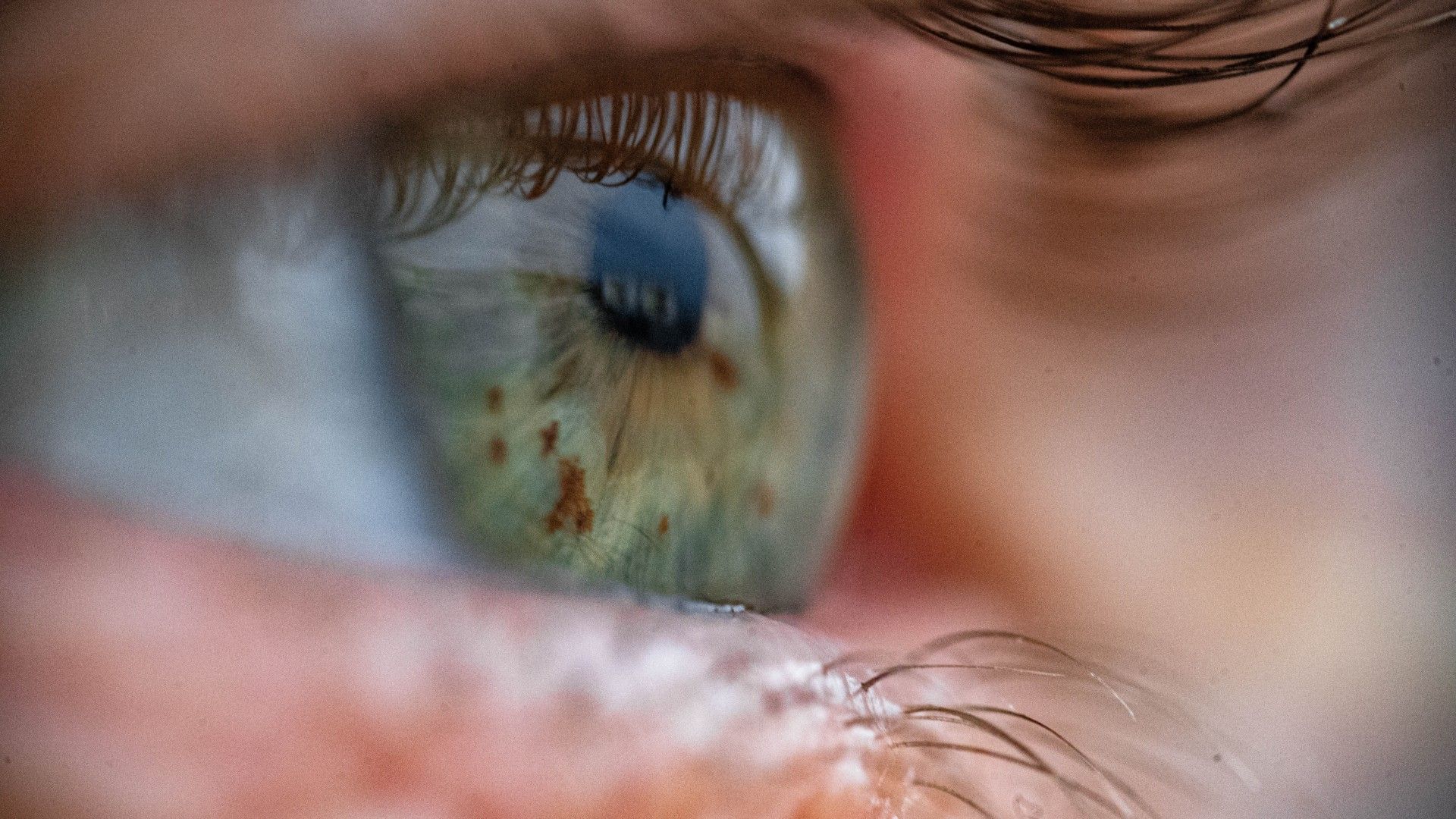
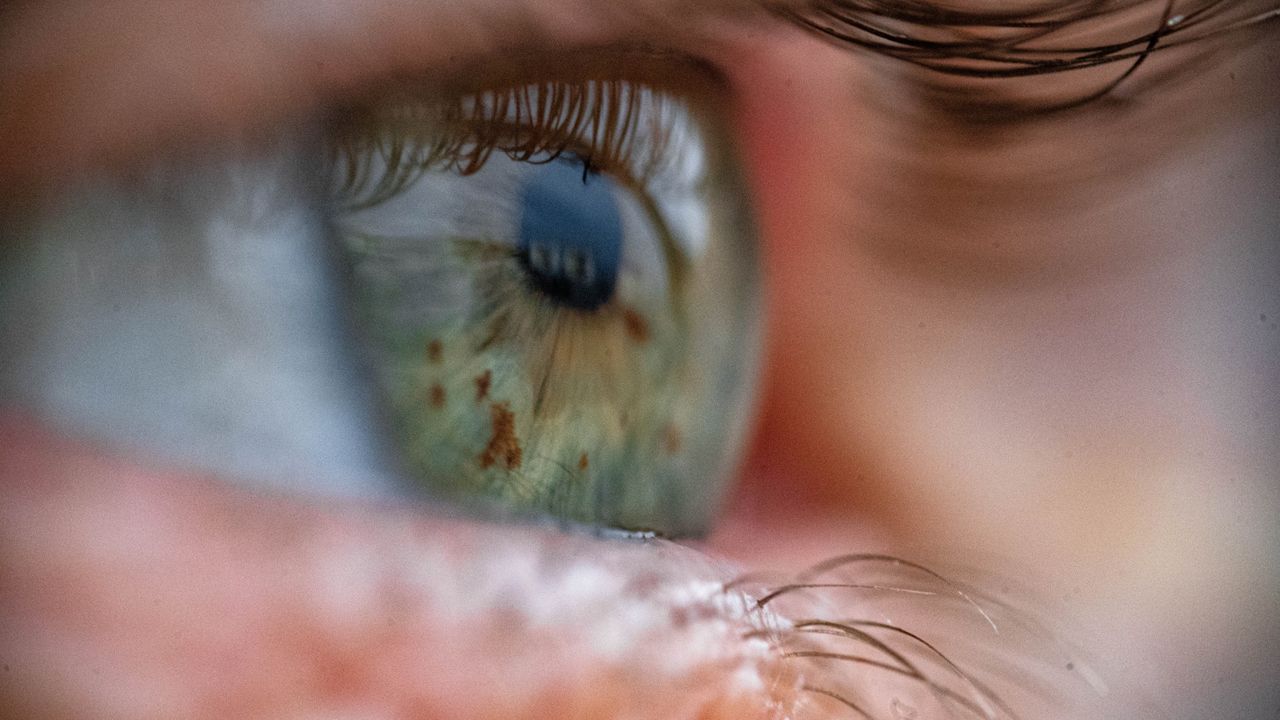
    Researchers have developed a system that uses short videos of the eye to estimate a person’s levels of red blood cells — no needles required.

    The technology, described in a paper published April 8 in the journal npj Digital Medicine, correctly identified anemia more than 80% of the time in a trial involving 224 participants.

    This technology isn’t ready to replace standard blood draws, the researchers behind the study cautioned. But they think it could potentially serve as a screening tool to flag people who may need a full blood test. This could be especially useful in low-income countries where access to laboratory testing can be scarce.


    You may like

    “Its potential utility may lie in enabling frequent, noninvasive longitudinal monitoring or early identification of patients requiring further investigation,” said Dr. Christine Kiire, a consultant ophthalmologist at Oxford Eye Hospital and a visiting researcher in the artificial medical intelligence lab at the University College London Institute of Ophthalmology. If validated and made affordable, the system could make blood monitoring more accessible in resource-limited environments, Kiire, who was not involved in the study, told Live Science in an email.

    The method could be useful in settings where it’s burdensome to draw and analyze blood repeatedly, said Dr. Theodore Leng, an ophthalmologist and vitreoretinal surgeon at Stanford University who wasn’t involved in the study. This could include outpatient screening, home monitoring, follow-up appointments for dialysis and cancer treatments, or pediatrics, he said in an email.

    That said, the system is not ready for prime time yet. “It’s great research but will take a lot of steps to be clinically available,” Dr. Peter Campbell, an ophthalmologist at Oregon Health & Science University who wasn’t involved in the study, said in an email.

    How the needle-free system works

    Noninvasive blood sensors already exist. In 2021, the Food and Drug Administration (FDA) approved a device, the Pronto-7, that measures levels of hemoglobin in the blood by shining light through the fingernail. Hemoglobin carries oxygen inside blood cells.

    Get the world’s most fascinating discoveries delivered straight to your inbox.

    Unfortunately, Pronto-7’s readings can be influenced by skin tone, meaning they’re less accurate for people with dark skin. The white part of the eye, in contrast, contains very little pigment and looks roughly the same across different populations.

    The new screening technique takes advantage of this. To build it, researchers used a microscope camera at 50x magnification to record 10-second videos of the whites of study participants’ eyes. A software called Video-to-Vessels cleans the footage ‪—‬ removing blinks, eye movements and lighting changes ‪—‬ and converts the videos into time-lapse snapshots of the blood vessels within the eye.

    Then, an AI model called VesselNet, which was trained on blood vessel snapshots paired with lab results regarding blood count, predicts the person’s hemoglobin level and red blood cell count by analyzing patterns in the flow of blood cells.


    What to read next

    “This paper is unique because it describes images of the front surface of the eye, rather than the retinal vasculature (at the back of the eye),” Campbell said. “So in theory it could be applied without expensive retinal cameras ‪—‬ even a smartphone.”

    The researchers tested the method on 224 people, including cancer patients with blood disorders and healthy volunteers, at Sheba Medical Center in Israel. They compared the model’s predicted hemoglobin values with actual hemoglobin values measured using standard blood tests, finding that the model correctly identified whether a person had low hemoglobin about 83% of the time.

    This falls short of what’s needed for real-world use, Kiire said. For context, Pronto-7 scores between 80% and 88% for detecting low hemoglobin in men, and 84% to 87% in women.

    “In practical terms, this sounds more like a great screening tool, rather than a technology ready to support dosing, transfusion decisions, or definitive hematology management,” Leng said.

    Additionally, whereas the eye-based method measures only two things — hemoglobin and red blood cell count — a standard blood test measures many more, Kiire said. The study authors think they may be able to count white blood cells, as well, if they design a camera with higher resolution and magnification.

    Kiire also noted that certain conditions, such as pink eye and dry eye disease, as well as drugs such as medicated eye drops, may affect blood vessels in the eye and lead to false readings. On a practical level, getting good results “requires careful patient positioning and sufficient optical focus,”which aren’t easy skills for clinicians to master and may limit the usability of the new method, she added.

    The researchers plan to do studies involving larger and more diverse cohorts, including patients with iron-deficiency anemia, which were underrepresented in this study. They also aim to do repeated testing of their method, to validate and extend their findings.

    This article is for informational purposes only and is not meant to offer medical advice.

    Denis, T., Sher, I., Praisman, E., Haiadry, M., Zag, A., Benjamini, O., Avigdor, A., Asraf, K., Doolman, R., Wolf, L., Suchowski, H., & Rotenstreich, Y. (2026). Towards noninvasive blood count using a deep learning pipeline from bulbar conjunctiva videos. Npj Digital Medicine. https://doi.org/10.1038/s41746-026-02598-2

    View Original Source Here

    Share. Facebook Twitter Pinterest LinkedIn Tumblr Email

    Related Posts

    Does gravity create reality? A shocking path to a theory of everything

    May 26, 2026

    Mars fungi could make red planet regolith fertile for crops

    May 25, 2026

    Catapult the cow: 6 medieval castles that were never conquered

    May 25, 2026

    Experimental mRNA vaccine may protect against multiple Ebola viruses

    May 24, 2026

    Early locust warning systems are key to minimizing natural disasters, returning up to 680 times investment

    May 24, 2026

    Levoit Sprout Evaporative Humidifier review: A child-safe solution to dry air

    May 23, 2026
    popular posts

    These Fashion Brands Are Celebrating the Women’s World Cup With

    The Pitt Will Air Uncensored On Cable; TNT Reveals Season 1 Premiere Date

    Google rolls out Android theft protection features: Theft Detection Lock, which uses AI to detect motion indicating theft, Offline Device Lock, and Remote Lock (Wes Davis/The Verge)

    Florida’s anti-vaccine push leads dangerous shift for US public health

    Best Gifts for Nintendo, PS5, Xbox

    The World’s Longest Suspension Bridge Is History in the Making

    East New York, True Lies Canceled as CBS Revives S

    Categories
    • Books (3,880)
    • Cover Story (15)
    • Events (24)
    • Fashion (2,779)
    • Interviews (60)
    • Movies (3,176)
    • Music (3,469)
    • News (176)
    • Politics (11)
    • Science (5,031)
    • Technology (3,173)
    • Television (3,901)
    • Uncategorized (932)
    Archives
    Facebook X (Twitter) Instagram Pinterest YouTube Reddit TikTok
    © 2026 Top Buzz Magazine. All rights reserved. All articles, images, product names, logos, and brands are property of their respective owners. All company, product and service names used in this website are for identification purposes only. Use of these names, logos, and brands does not imply endorsement unless specified. By using this site, you agree to the Terms of Use and Privacy Policy.

    Type above and press Enter to search. Press Esc to cancel.

    We use cookies on our website to give you the most relevant experience by remembering your preferences and repeat visits. By clicking “Accept”, you consent to the use of ALL the cookies.
    Do not sell my personal information.
    Cookie SettingsAccept
    Manage consent

    Privacy Overview

    This website uses cookies to improve your experience while you navigate through the website. Out of these, the cookies that are categorized as necessary are stored on your browser as they are essential for the working of basic functionalities of the website. We also use third-party cookies that help us analyze and understand how you use this website. These cookies will be stored in your browser only with your consent. You also have the option to opt-out of these cookies. But opting out of some of these cookies may affect your browsing experience.
    Necessary
    Always Enabled
    Necessary cookies are absolutely essential for the website to function properly. These cookies ensure basic functionalities and security features of the website, anonymously.
    CookieDurationDescription
    cookielawinfo-checkbox-analytics11 monthsThis cookie is set by GDPR Cookie Consent plugin. The cookie is used to store the user consent for the cookies in the category "Analytics".
    cookielawinfo-checkbox-functional11 monthsThe cookie is set by GDPR cookie consent to record the user consent for the cookies in the category "Functional".
    cookielawinfo-checkbox-necessary11 monthsThis cookie is set by GDPR Cookie Consent plugin. The cookies is used to store the user consent for the cookies in the category "Necessary".
    cookielawinfo-checkbox-others11 monthsThis cookie is set by GDPR Cookie Consent plugin. The cookie is used to store the user consent for the cookies in the category "Other.
    cookielawinfo-checkbox-performance11 monthsThis cookie is set by GDPR Cookie Consent plugin. The cookie is used to store the user consent for the cookies in the category "Performance".
    viewed_cookie_policy11 monthsThe cookie is set by the GDPR Cookie Consent plugin and is used to store whether or not user has consented to the use of cookies. It does not store any personal data.
    Functional
    Functional cookies help to perform certain functionalities like sharing the content of the website on social media platforms, collect feedbacks, and other third-party features.
    Performance
    Performance cookies are used to understand and analyze the key performance indexes of the website which helps in delivering a better user experience for the visitors.
    Analytics
    Analytical cookies are used to understand how visitors interact with the website. These cookies help provide information on metrics the number of visitors, bounce rate, traffic source, etc.
    Advertisement
    Advertisement cookies are used to provide visitors with relevant ads and marketing campaigns. These cookies track visitors across websites and collect information to provide customized ads.
    Others
    Other uncategorized cookies are those that are being analyzed and have not been classified into a category as yet.
    SAVE & ACCEPT