
Close Menu
    Facebook X (Twitter) Instagram Pinterest YouTube LinkedIn TikTok
    TopBuzzMagazine.com
    Facebook X (Twitter) Instagram Pinterest YouTube LinkedIn TikTok
    • Home
    • Movies
    • Television
    • Music
    • Fashion
    • Books
    • Science
    • Technology
    • Cover Story
    • Contact
      • About
      • Amazon Disclaimer
      • Terms and Conditions
      • Privacy Policy
      • DMCA / Copyrights Disclaimer
    TopBuzzMagazine.com
    Home»Science»Bacterial ‘postbiotic’ may help preserve fertility in the aging uterus, preliminary research suggests
    Science

    Bacterial ‘postbiotic’ may help preserve fertility in the aging uterus, preliminary research suggests

    By AdminAugust 8, 2026
    Facebook Twitter Pinterest LinkedIn Tumblr Email
    Bacterial ‘postbiotic’ may help preserve fertility in the aging uterus, preliminary research suggests


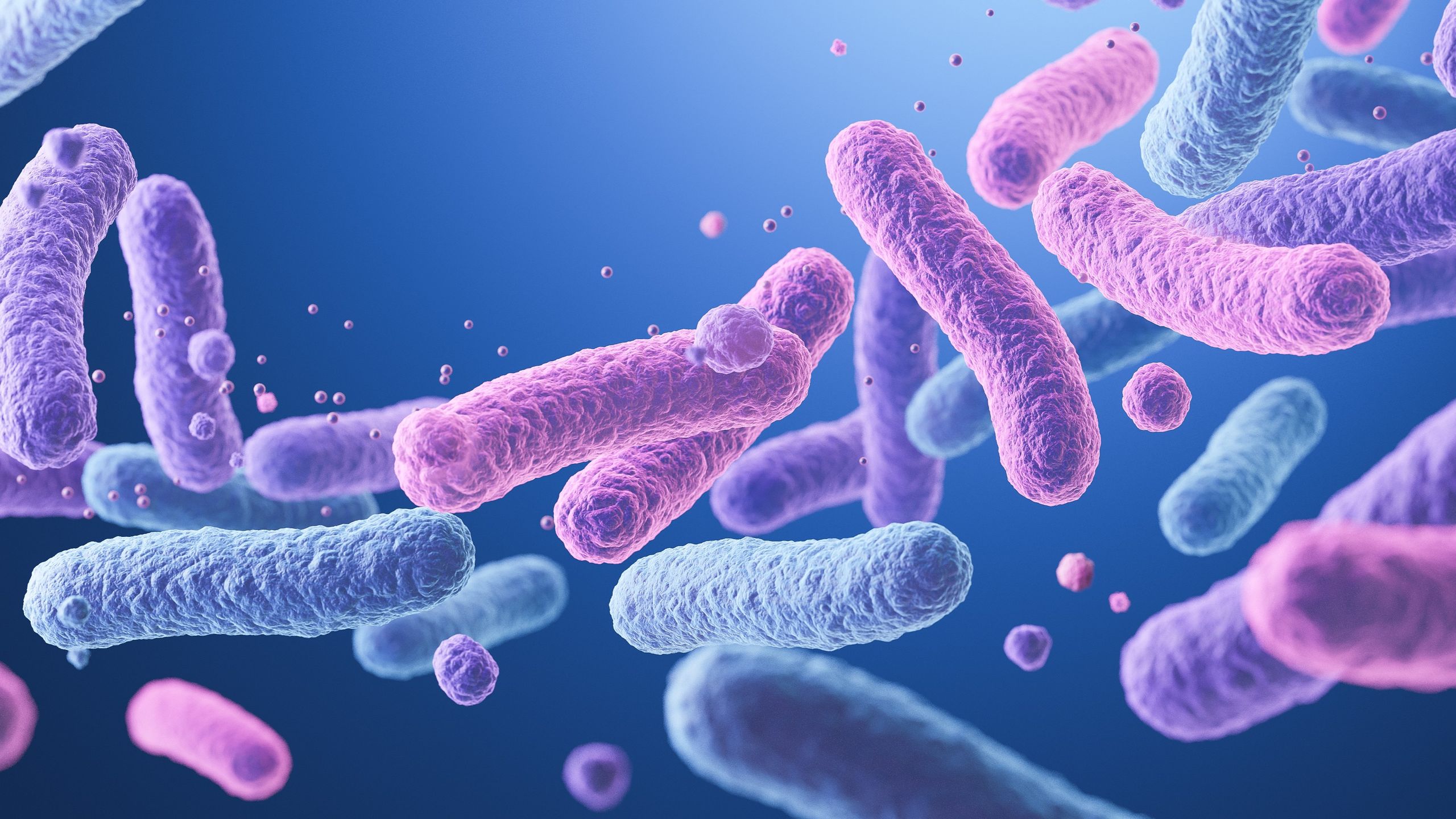
    Bolstering a type of bacteria that lives in the uterus may help counter age-related changes that can make it harder to get pregnant, a new study suggests.

    While fertility decline is often linked to changes in egg number or quality, the uterus also becomes less receptive to an implanting embryo with age. The new research suggests that changes in the bacteria living there may be part of the reason.

    In experiments, treating aged mice and lab-grown human uterine cells with a specific species of Lactobacillus, a group of bacteria often found in the uterus, reduced signs of aging in the uterine lining and improved embryo implantation. This improvement was also seen with a specific byproduct of Lactobacillus.

    Latest Videos FromLive Science

    The findings, published Thursday (Aug. 6) in the journal Cell Host & Microbe, suggest that the uterine microbiome could be a promising target for treating age-related infertility. However, experts who were not involved in the study cautioned that the research is still preliminary.

    “This is an interesting and promising approach, but we still don’t know whether these findings will translate into meaningful improvements in human fertility,” said Dr. Alex Robles, a fertility specialist at Columbia University Fertility Center who was not involved in the study.


    You may like

    “The microbiome can be influenced by many factors, including genetics, diet, geography, environmental exposures and other lifestyle practices,” he told Live Science in an email, “which is why it’s important to validate these findings across diverse populations before developing broadly applicable treatments.”

    To explore whether and how the uterine microbiome changes with age, the study researchers analyzed samples of the endometrium — tissue from the lining of the uterus — from 149 women ages 20 to 45 who were undergoing fertility treatment in China. The older women had lower levels of beneficial Lactobacillus bacteria, particularly L. gasseri and L. crispatus. These bacteria are generally associated with a healthy reproductive tract.

    Get the world’s most fascinating discoveries delivered straight to your inbox.

    diagram of an ovary, fallopian tube and uterus, showing an egg traveling from the ovary to the uterus

    With age, the lining of the uterus typically becomes less receptive to implantation, lowering the chance of pregnancy.

    (Image credit: BSIP / Contributor vis Getty Images)

    “One finding that surprised us was that overall microbial diversity did not change markedly across the different age groups,” study co-author Dr. Rong Li, deputy director of the Department of Obstetrics and Gynecology at Peking University Third Hospital in Beijing, said in a statement. “Instead, the major differences involved particular bacterial species.”

    Later, 93 of the women underwent in vitro fertilization (IVF), and of those, 56 became pregnant. Those who became pregnant had higher levels of Lactobacillus in their uterine lining than those who did not get pregnant. That said, the pregnancy rates were similar across women of different ages who underwent IVF.

    To better understand the effect of these bacteria on the uterus, the team isolated five Lactobacillus species and tested how they interacted with uterine cells. L. gasseri stood out because it attached strongly to uterine cells, and this attachment was associated with reduced inflammation and lower damage from oxidative stress. The bacterium also produced large amounts of exopolysaccharides (EPS), a type of sugar molecule.


    What to read next

    The researchers then purified these sugars into a postbiotic they call LG-EPS. Unlike probiotics, postbiotics are products of bacterial cells and thus do not contain live bacteria.

    Then, the researchers ran tests in older female mice (roughly equivalent to a middle-aged woman) to see whether introducing L. gasseri or LG-EPS to the vaginal canal could affect the aging uterus. After four weeks of daily vaginal treatment with either the bacterium or the postbiotic, the mice had fewer signs of uterine aging, less inflammation and higher embryo implantation rates than the untreated animals did. (That said, the team did not measure how much of each treatment actually reached the uterus.)

    When they tried the same test with a modified strain of L. gasseri that could not make EPS, they found that many of these benefits disappeared. That suggested that the exopolysaccharides were responsible for much of the benefit. LG-EPS also reduced signs of aging in artificially aged human uterine cells, improving their ability to support embryo implantation.

    Further experiments suggested that the postbiotic works by modifying a signaling pathway that helps control cell growth and tissue repair. This pathway was overactive in aged mice and uterine cells, but treatment helped to normalize its activity. Blocking a key protein in the same pathway eliminated the treatment’s effects.

    Robles said postbiotic treatments could be especially interesting because they may be easier to manufacture than treatments containing live bacteria. “If confirmed in future studies, these treatments could potentially be used alongside IVF to improve the uterine environment before embryo transfer,” he suggested.

    But he cautioned that the study should not prompt people to try over-the-counter probiotics or other supplements as ad hoc fertility treatments.

    “The reproductive tract is a delicate ecosystem, and introducing or eliminating certain bacteria could have unintended consequences,” Robles said. “We do not fully understand what constitutes a ‘healthy’ uterine microbiome. As such, any intervention should be approached with caution.”

    This article is for informational purposes only and is not meant to offer medical advice.

    Li, M., Li, S., Zheng, D., Liao, B., Niu, H., Wang, Y., Liu, X., Pan, H., Yu, Y., Zhou, P., & Li, R. (2026). Lactobacillus gasseri postbiotics ameliorate age-related decline in endometrial receptivity. Cell Host & Microbe, S1931312826002787. https://doi.org/10.1016/j.chom.2026.06.018

    View Original Source Here

    Share. Facebook Twitter Pinterest LinkedIn Tumblr Email

    Related Posts

    From mountain peaks to microclimates, new maps bring satellite big data down to Earth

    August 7, 2026

    Most-detailed-ever view of the sun’s surface revealed in new images from the world’s largest solar telescope

    August 7, 2026

    Your next handbag could start with mushrooms

    August 6, 2026

    First moments of a supernova explosion captured in the most detailed observations of their kind

    August 6, 2026

    Act now on microplastic risks, businesses urged

    August 5, 2026

    Physicists find a way to control heat in a way once thought impossible

    August 5, 2026
    popular posts

    Best Cardigans For Women | POPSUGAR Fashion

    Here’s What Physics Tells Us about Barbie’s World

    Samsung Galaxy S25 Series to Feature Older Display Technology to Cut Costs

    One-hit wonder: How awards, recognition decrease inventors’ creativity

    Interview: Shoresy Stars Tasya Teles, Blair Lamora, and Keilani Rose

    Good Night Oppy review – A syrupy Mars rover doc

    NCIS Season 22 Episode 4 Review: Sticks & Stones

    Categories
    • Books (4,027)
    • Cover Story (19)
    • Events (26)
    • Fashion (2,857)
    • Interviews (62)
    • Movies (3,323)
    • Music (3,619)
    • News (182)
    • Politics (14)
    • Science (5,178)
    • Technology (3,320)
    • Television (4,052)
    • Uncategorized (932)
    Archives
    Facebook X (Twitter) Instagram Pinterest YouTube Reddit TikTok
    © 2026 Top Buzz Magazine. All rights reserved. All articles, images, product names, logos, and brands are property of their respective owners. All company, product and service names used in this website are for identification purposes only. Use of these names, logos, and brands does not imply endorsement unless specified. By using this site, you agree to the Terms of Use and Privacy Policy.

    Type above and press Enter to search. Press Esc to cancel.

    We use cookies on our website to give you the most relevant experience by remembering your preferences and repeat visits. By clicking “Accept”, you consent to the use of ALL the cookies.
    Do not sell my personal information.
    Cookie SettingsAccept
    Manage consent

    Privacy Overview

    This website uses cookies to improve your experience while you navigate through the website. Out of these, the cookies that are categorized as necessary are stored on your browser as they are essential for the working of basic functionalities of the website. We also use third-party cookies that help us analyze and understand how you use this website. These cookies will be stored in your browser only with your consent. You also have the option to opt-out of these cookies. But opting out of some of these cookies may affect your browsing experience.
    Necessary
    Always Enabled
    Necessary cookies are absolutely essential for the website to function properly. These cookies ensure basic functionalities and security features of the website, anonymously.
    CookieDurationDescription
    cookielawinfo-checkbox-analytics11 monthsThis cookie is set by GDPR Cookie Consent plugin. The cookie is used to store the user consent for the cookies in the category "Analytics".
    cookielawinfo-checkbox-functional11 monthsThe cookie is set by GDPR cookie consent to record the user consent for the cookies in the category "Functional".
    cookielawinfo-checkbox-necessary11 monthsThis cookie is set by GDPR Cookie Consent plugin. The cookies is used to store the user consent for the cookies in the category "Necessary".
    cookielawinfo-checkbox-others11 monthsThis cookie is set by GDPR Cookie Consent plugin. The cookie is used to store the user consent for the cookies in the category "Other.
    cookielawinfo-checkbox-performance11 monthsThis cookie is set by GDPR Cookie Consent plugin. The cookie is used to store the user consent for the cookies in the category "Performance".
    viewed_cookie_policy11 monthsThe cookie is set by the GDPR Cookie Consent plugin and is used to store whether or not user has consented to the use of cookies. It does not store any personal data.
    Functional
    Functional cookies help to perform certain functionalities like sharing the content of the website on social media platforms, collect feedbacks, and other third-party features.
    Performance
    Performance cookies are used to understand and analyze the key performance indexes of the website which helps in delivering a better user experience for the visitors.
    Analytics
    Analytical cookies are used to understand how visitors interact with the website. These cookies help provide information on metrics the number of visitors, bounce rate, traffic source, etc.
    Advertisement
    Advertisement cookies are used to provide visitors with relevant ads and marketing campaigns. These cookies track visitors across websites and collect information to provide customized ads.
    Others
    Other uncategorized cookies are those that are being analyzed and have not been classified into a category as yet.
    SAVE & ACCEPT