
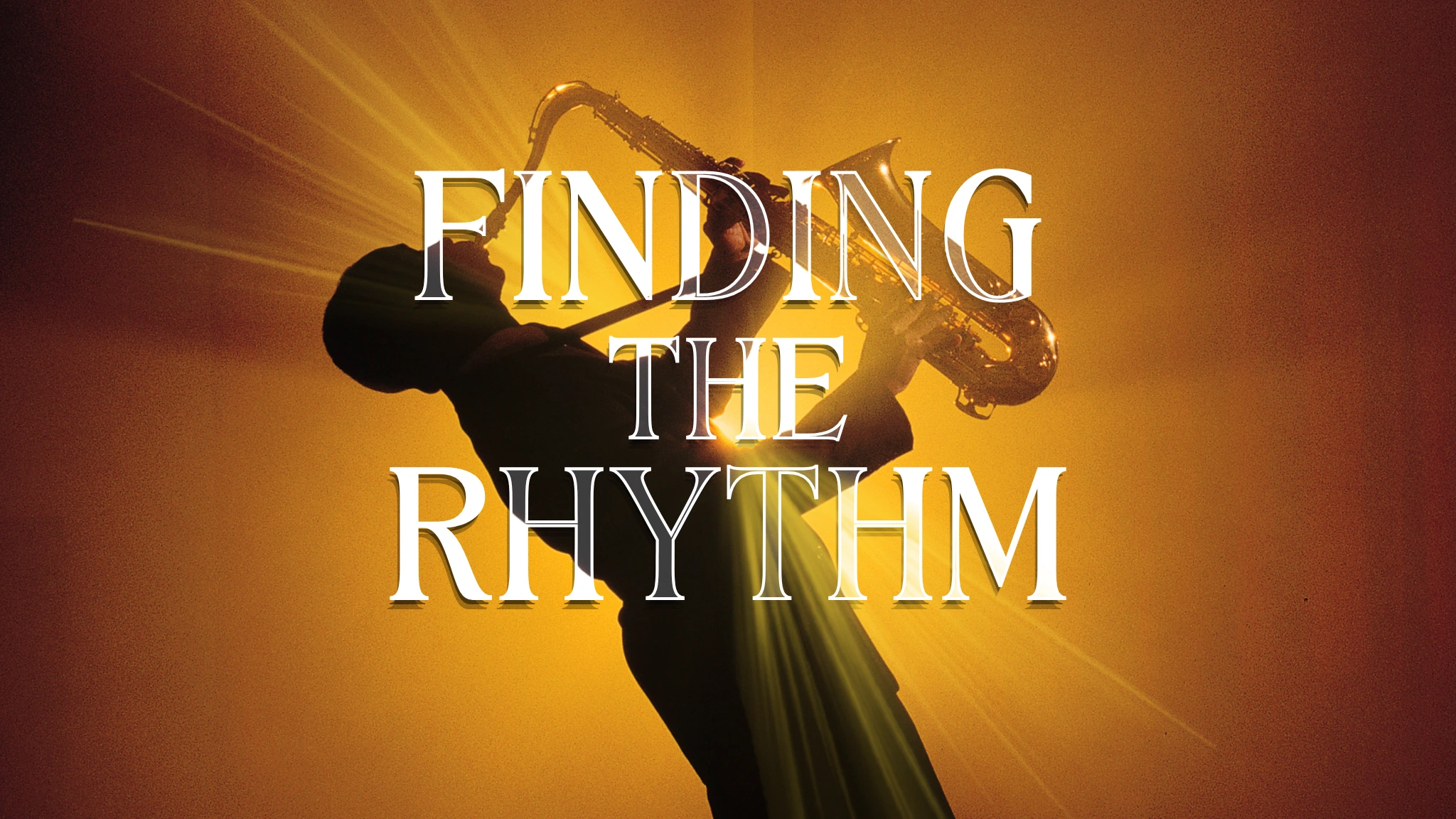
Sentence construction is a thing. So is rhythm. Don’t get me started on structure.
My father had filed suit on behalf of Tony’s mother when she’d inadvertently set her hair on fire while trying to light an unfiltered menthol with the cigarette lighter of her 1971 Grand Prairie Deluxe Edition Station Wagon—desert cream color with optional faux wood paneling and rear window defroster—while applying what turned out to be highly flammable robin’s egg blue eyeliner to her one good eye as she was exiting the 134 freeway on her way to visit her deceased husband in the nice section of the main mausoleum of the Forest Lawn Cemetery in Burbank.
I think my editor really liked my novel. We enjoyed some playful banter — clever comments carefully placed in the margins of my quickly developing masterpiece — that agreed for the most part on those things that were working, and those that weren’t. She did mention at one point that she’d never come across a book quite like this one. Which, in hindsight is pretty ambiguous. So, maybe she didn’t love it as much as I thought she did. But she for sure hated this particular sentence. Happy to say that if you pick up a copy today you’ll find it survived in its native, ludicrously long, and wholly unredacted form.
I knew exactly what I was doing. Writing prose is no different than playing music: at the end of it all it has to come down to rhythm. Structure exists, but, in a perfect world, only as the natural byproduct of pace and vibe. You either have that natural meter in your toolbox or you don’t.
Up until the 1940s jazz pretty much followed a standard AABA pattern. Chord progressions arranged in verse/verse/bridge/verse order. The improvisational soloing that did then — and still does — define the genre, was free and unfettered, but only within the confines of the particular pre-defined measure where it was expected to politely remain. It wasn’t just about the notes, it was also, and somewhat stiflingly, about the structure. Until it wasn’t.
There’s a great story attributed to Dave Tough, a well known drummer of the era (and a fairly well respected writer to boot).
As we walked in, see, these cats snatched up their horns and blew crazy stuff. One would stop all of a sudden and another would start for no reason at all. We never could tell when a solo was supposed to begin or end. Then they all quit at once and walked off the stand. It scared us.
Cause they were great. That’s what scared the shit out of Dave and his buddies. And these guys were no slouches: Dave and his posse were all amazing players, knew their craft inside and out. Or so they thought. They were collectively mind blown by the fact that the cats they’d wandered in on that night knew precisely what they were doing, and what they were doing was blowing right through every stop sign and red light that had governed the musical world as these guys had known it since they were piddling in their diapers. The whole AABA thing was turned on its head. It was magnificent. The quintet on stage that night was led by Dizzy Gillespie. He and his boys were blowing bebop. And bop changed everything.
Kerouac was born in those clubs. That’s where he found his voice anyway. He knew rhythm. His good stuff is restless and relentless and cool and quiet and liquid and languid. It grabs you up and takes you careering off down the highway. Pell Mell. Devil be damned. It draws you down, pulls your head under, drowns you in colors and flavors and scents and adrenaline. On the Road I’m talking about. Everything else the man wrote is him trying to be him, a string of stream of consciousness train wrecks that are largely unreadable.
Now, here’s the thing about that. It’s okay. Man, to be that great even once is enough. And more than enough: it’s fine to shit the bed for a while after you hit your home run — so long as you’re still swinging for the fences every time you come up to bat. If you have to go down make sure you empty your clip on the way out. I read somewhere that Kerouac spent his latter years watching game shows in a sedentary stupor as his waistline steadily and exponentially expanded. But I choose to disbelieve that. Willful ignorance in service of a legend is perfectly acceptable: In my mind Sal’s still out there on the road and Jack’s still banging away on his typewriter, still slender as a pretty girl in a sundress on a windy day.
I’ve been reading a lot about Sonny Rollins lately. Much as I can’t picture Kerouac mouldering down into a ratty old sofa whilst binging What’s My Line and eating TV dinners, I likewise refuse to believe Sonny is actually gone. The truly transcendent deserve some measure of immortality don’t they? Not that greatness equates with perfection. When Sonny was on, he was godlike, nobody blew like he did, notes drawn in from another plane of existence, rolling and rollicking and squeaking and honking and caressing, the phrasing sublime, the tone unapproachable. Unlike Kerouak, when Sonny was off he was still better than most, but he did have his nights. Virtuosity is fickle. You can’t elevate an entire art form through singular greatness if you’re not hanging your balls out there every time you pick up the paintbrush. Sometimes the punches land, sometimes they don’t. That’s the tradeoff for immortality.
Sonny said that when he was on, his mind was a blank canvas. No thought. No conscious connection to what was happening. Just magic flowing effortlessly through lips and fingertips. Notes drawn from some other universe entirely.
For a writer in their groove the sensation is likewise tactile and ethereal. Fingers dance across the keyboard, summoning words from seemingly nowhere that flow out onto the page effortlessly, like Sonny, the mind a formless void, creativity spilling forth in an unbridled torrent like notes from the mouth of that golden God-given horn. But it takes discipline. Taking your hands off the reins, surrendering yourself to the will of the gods, those are acts of absolute faith; ones not easily accomplished. You don’t will that kind of singularity into existence, you earn it.
Sonny walked away at the seeming height of his powers. Spent two years, sixteen hours every day, on the Williamsburg Bridge playing to mostly no one but himself. He was searching for it. That thing that separates, that grinds the chaff from the wheat, pares down the fat, leaves the man lean, ragged, raw. Sonny was great before the bridge, he was transcendent after. Learned to get out of his own way, shook loose the shackles of conformity.
Improvisation is randomness realized. It’s the search for something unobtainable. It has to be otherwise the search is over and the pursuit becomes meaningless. Go listen to Blues 7. This was in the before times, before the sabbatical. Sonny was looking for something even then. Hear the bass man? Plucking, pulling, bouncing. Summer evening, bopping down this deserted sidewalk, leaves blowing softly down the empty dirty street that surrounds us. Now here’s this whick and whisper. Brushes on brass. Uncertain. Searching. Soft. Subtle. Insistent. Questioning: Hey man, where we goin? Seemingly out of nowhere the two note answer—a hard D, confident, staccato, and then the immediate drop to the flatted fifth, playful, confident. Hey man, Sonny blows, follow me. I know the way.
People do unspeakable things to one another. Parents to children. Lovers to ones once most loved. Those entrusted with power to those who have none. Men of a certain skin color to others whose skin is not. Ours is a sadistic and inhumane species in the main; occasionally one man stands at the intersection of that maelstrom of hate and intolerance and absorbs every last ounce of its punishment. It rolled over me like a big river through a broken levee.
Rhythm. Feel. There’s a time and a place to stretch out, to be wordy, self indulgent. Sentence construction is a thing. Sometimes a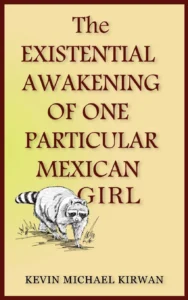 single note is enough. Other times the words flow endlessly, a big river through a broken levee. I like that metaphor. You’ll find that in my novel The Existential Awakening of One Particular Mexican Girl. I wrote hard up till I was thirty and then walked away, spent my time on the bridge. Sonny was there for two years, it took me twenty-five. Am I Kerouac, doomed now to wander the wilderness cranking out reams of questionable content, forever trying to find my way back instead of pushing forward? I hope not. They say if you want to go with the gods you have to put yourself squarely in their path. Sonny knew. So did Jack.