
Real life is unhinged. That’s why I love memoirs. Half the time you’re reading one and thinking, this can’t be real—and yet, here we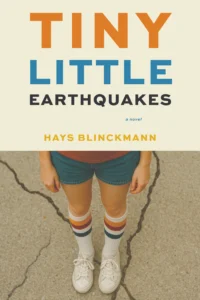 are. When a memoir is done right—written to entertain—it becomes pure storytelling, empowered by authentic emotion.
My new novel, Tiny Little Earthquakes, is based on my childhood but fictionalized into a singular story. I wanted to protect certain people, rearrange events and dates to suit the cadence, and add a touch of flair for the sake of art. Tiny Little Earthquakes follows Elliot Hase as she comes of age in a family fractured by addiction, secrets, and emotional neglect. With wit and hard-won wisdom, she learns to find solid ground in a world that keeps cracking beneath her feet. Not unlike many of us who grew up in the 70s into the 80s.
Without inspiration from other authors, I could’ve found the right combination of humor, creative license, and vulnerability to tell a version of my story. This baker’s dozen delivers all of it: gorgeous writing, unforgettable lives, dark humor, love, loss and the kind of truth we need to hear. Each one lingers with me.

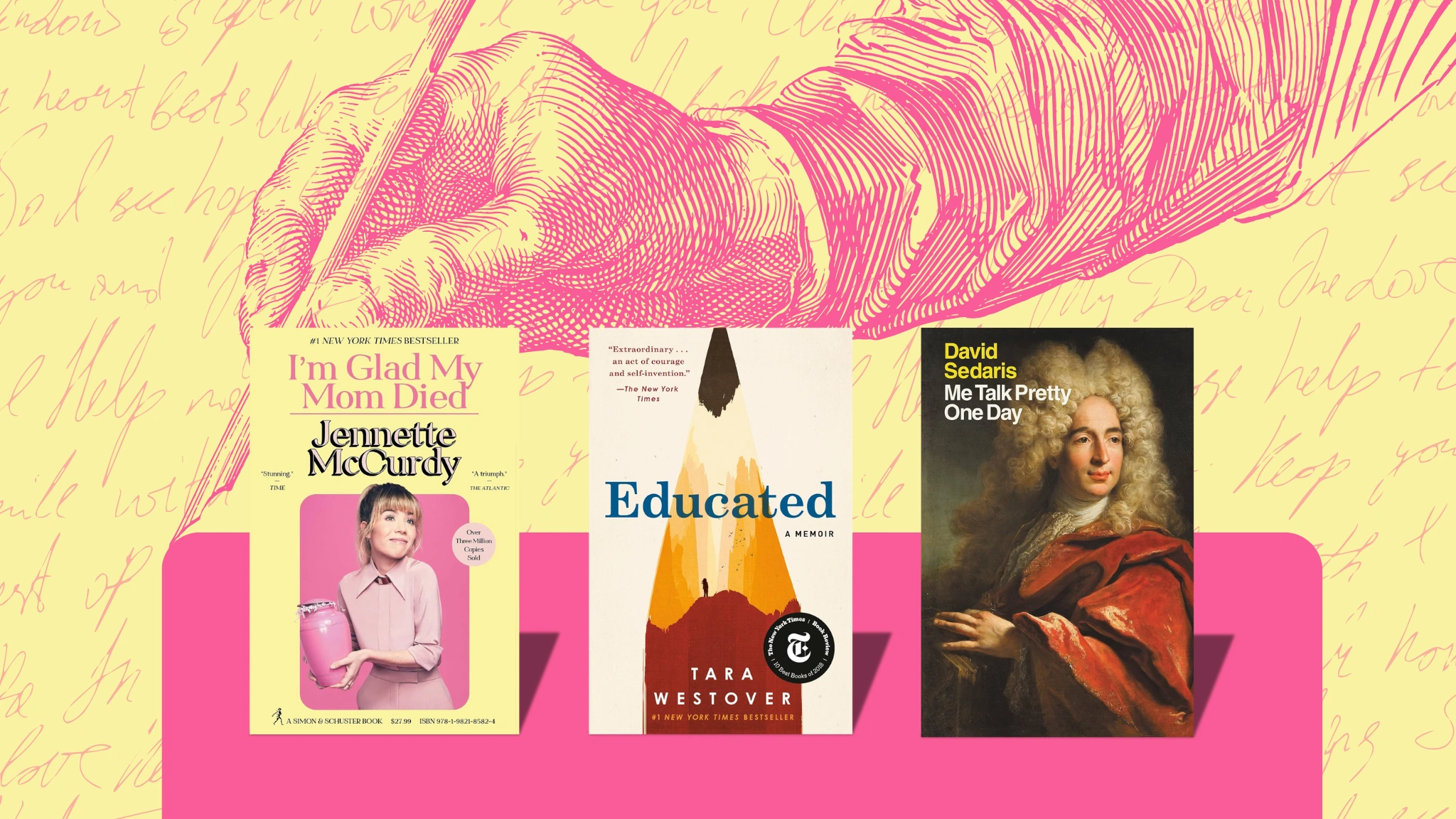
Me Talk Pretty One Day by David Sedaris
Whether you are writing fiction or a memoir about family, Sedaris should be your “How To.” He is the how-to-be: funny, clever, articulate and most importantly, entertaining. Sedaris’s family stories, while not all that dramatic, are written with such comedic pose and timing—he could make sleeping enjoyable.
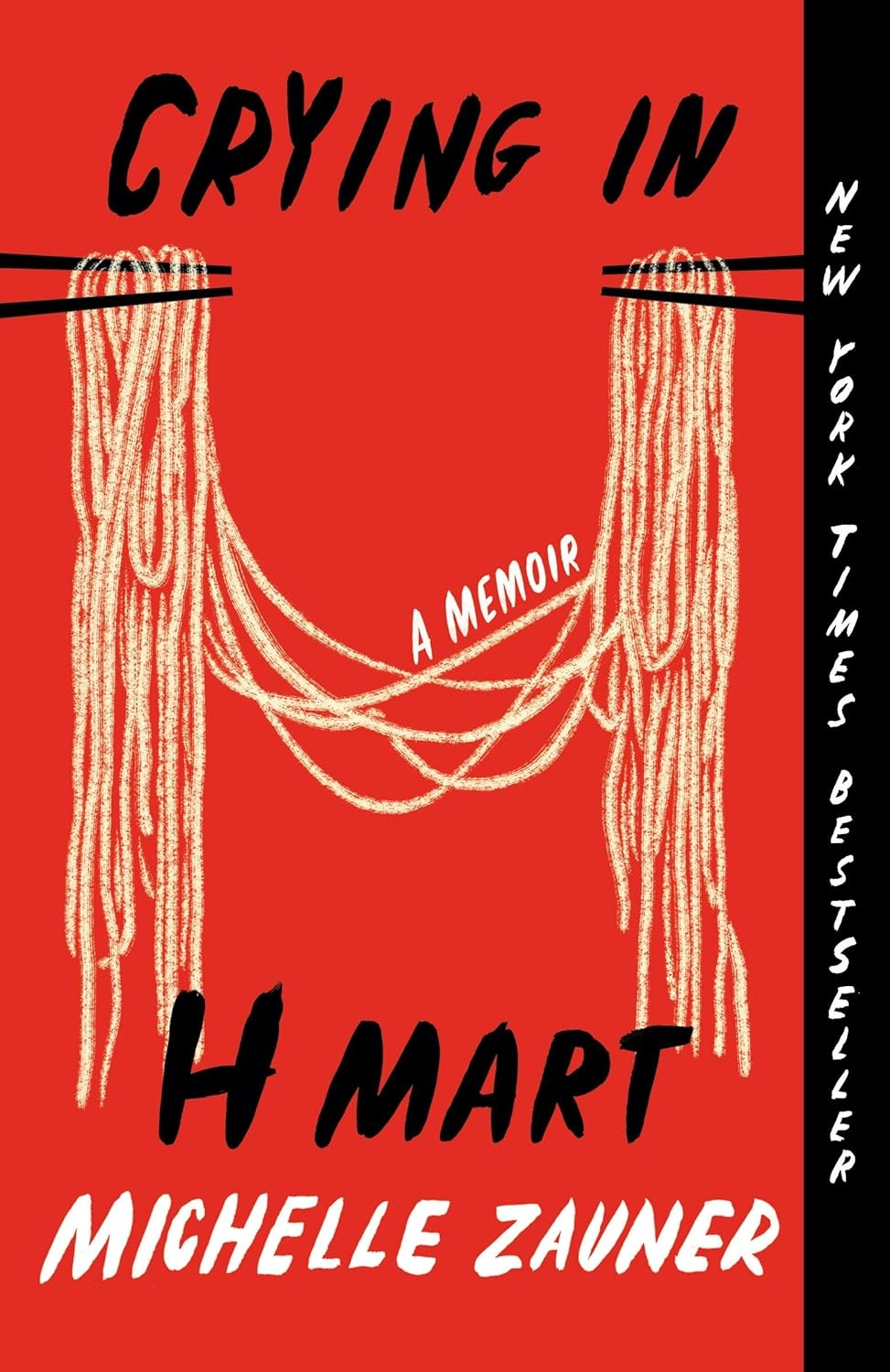
Crying in the H Mart by Michelle Zauner
Zauner was a musician before a writer, but she was compelled to tell the story of her mother’s death. She is a cross-genre creative, and it works because the story of losing her mother is both heartbreaking and compelling, as her creativity unfolds on the page as she grapples with her grief. It’s an artist’s book.
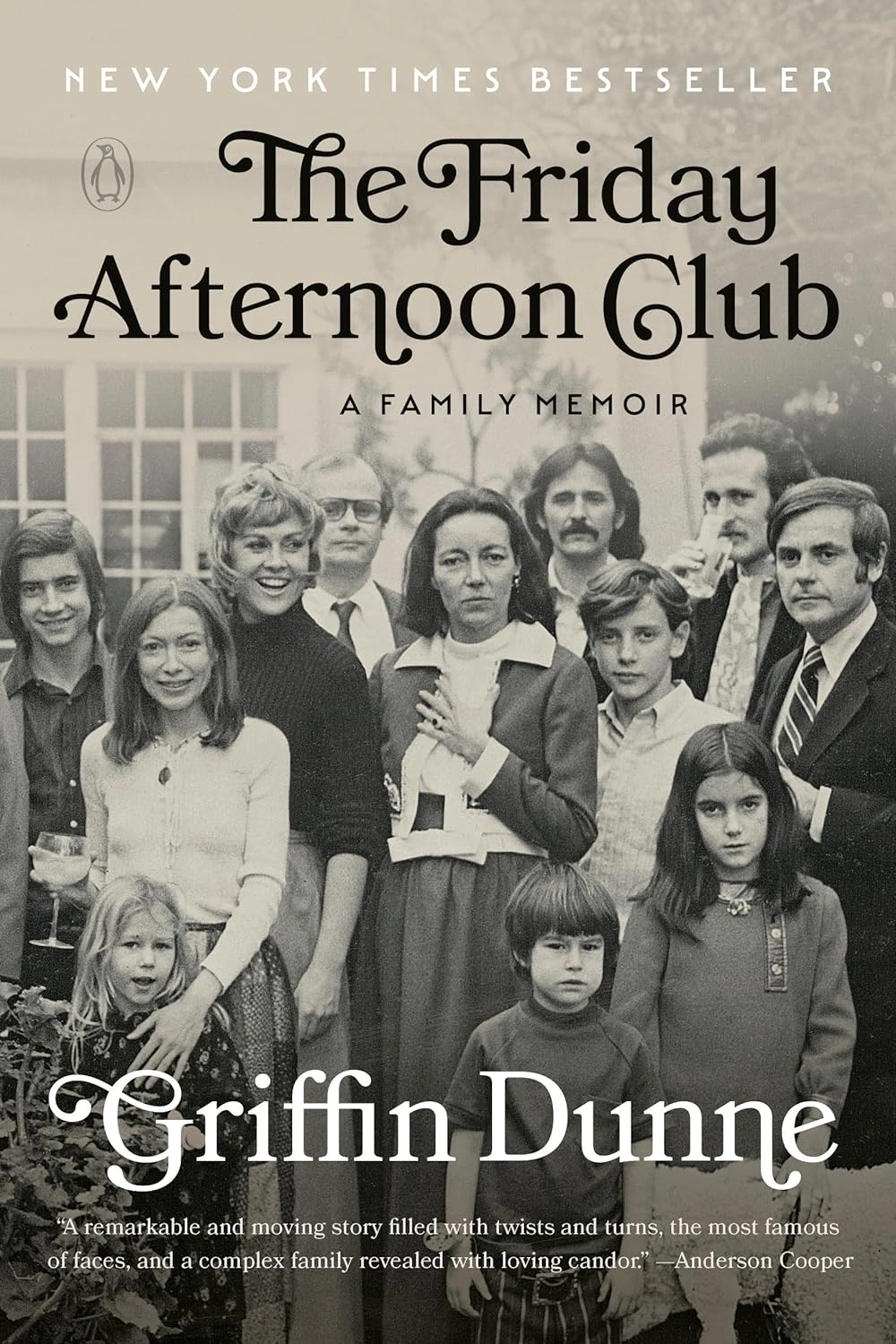
The Friday Afternoon Club by Griffin Dunne
Who doesn’t love a book filled with good celebrity gossip? Dunne is a “peel back the layers” author, showing the reader the other side of privilege. A Hollywood actor from a notorious family, Dunne humanizes all the names we have read about before and lets us in through his eyes.
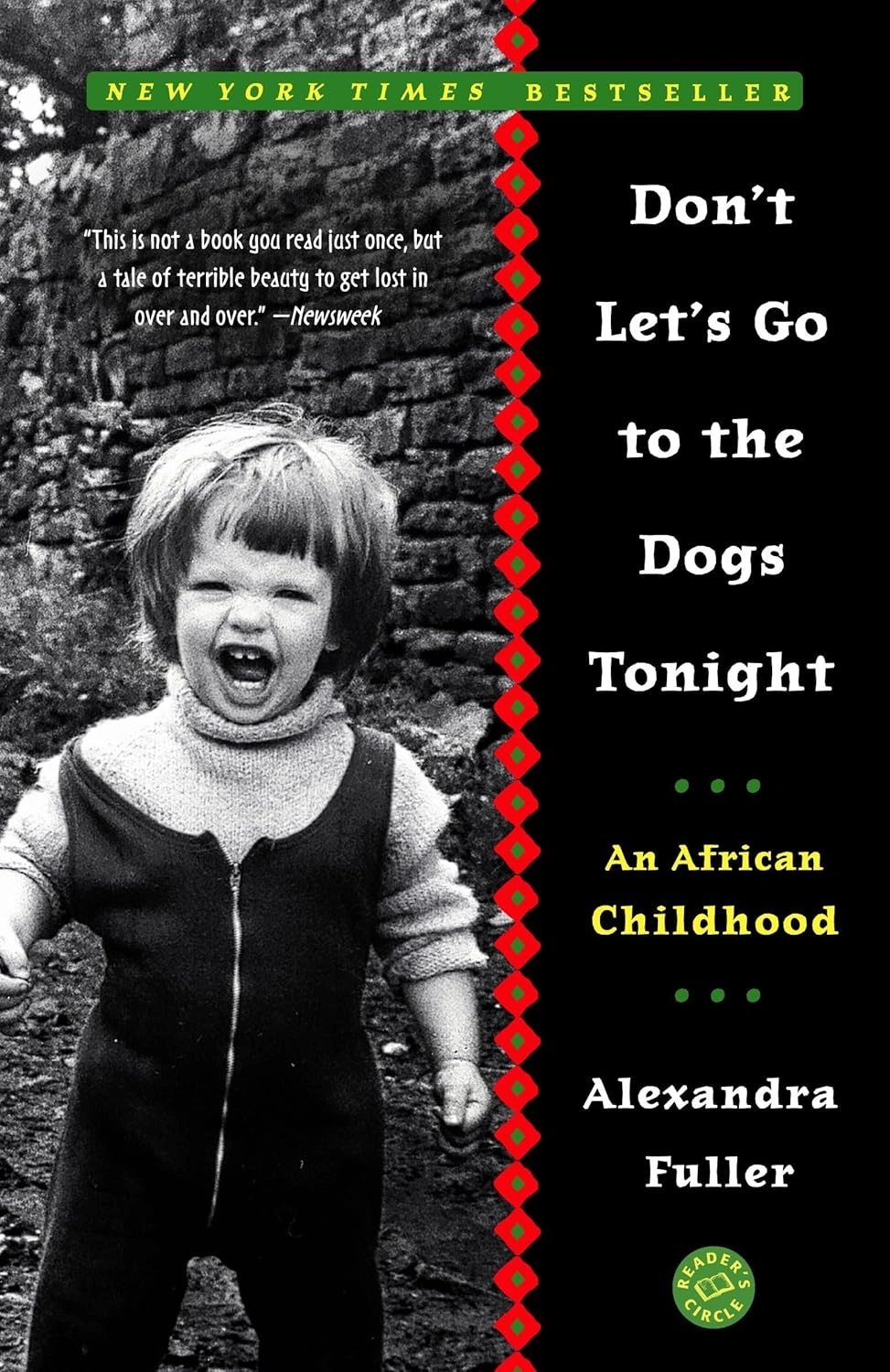
Don’t Let’s Go to The Dogs Tonight by Alexandra Fuller
Fuller transports us to a different time and place: the inhospitable Central Africa during a revolutionary era. She survived at the hands of her parents, who were just as wild as the landscape.
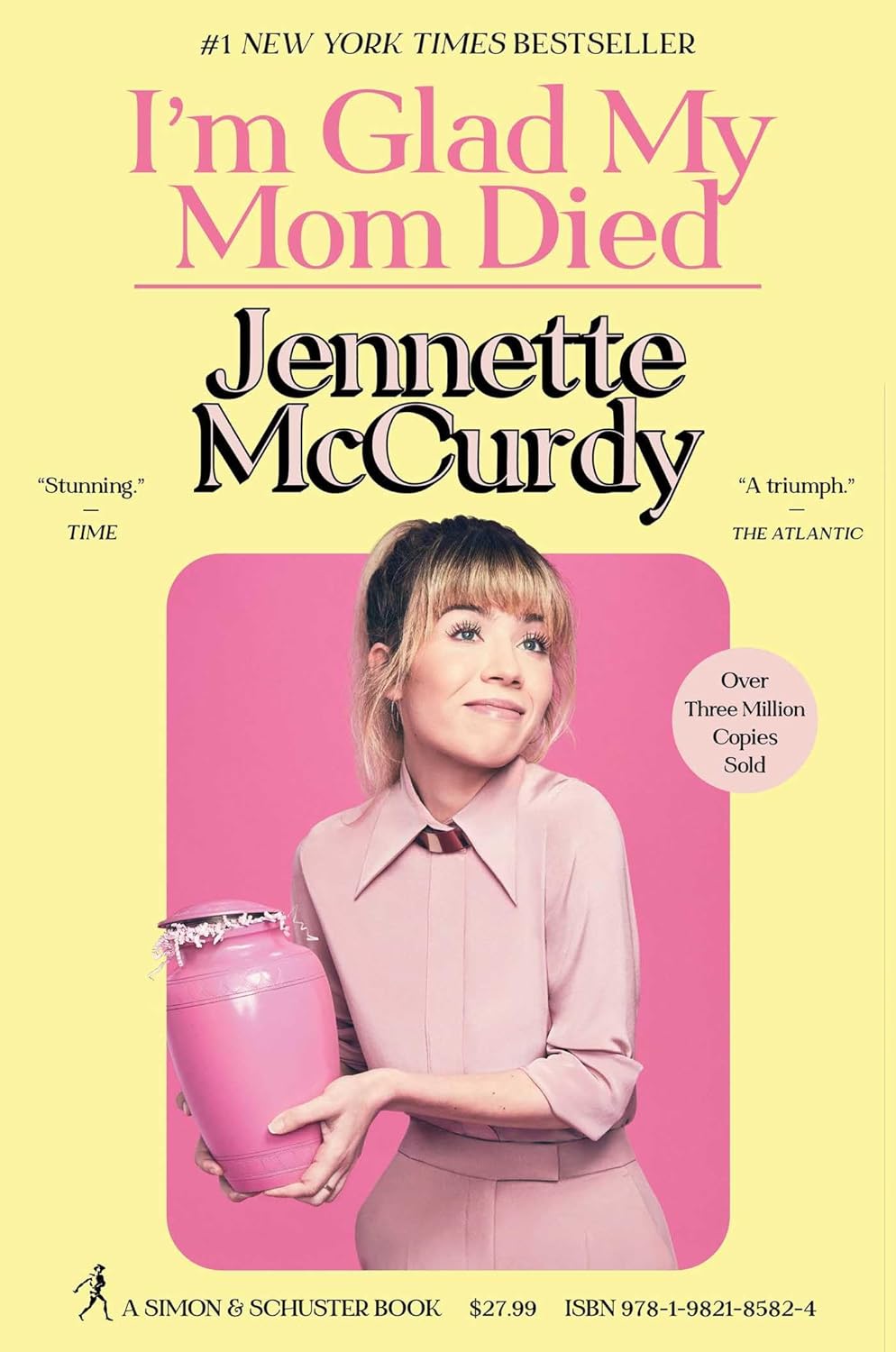
I’m Glad My Mom Died by Jeannette McCurdy
McCurdy is cutthroat. She doesn’t sugarcoat her childhood, nor does she beg to be its victim. It’s a coming-of-age story with her terrorizing mother and Hollywood’s spotlight.
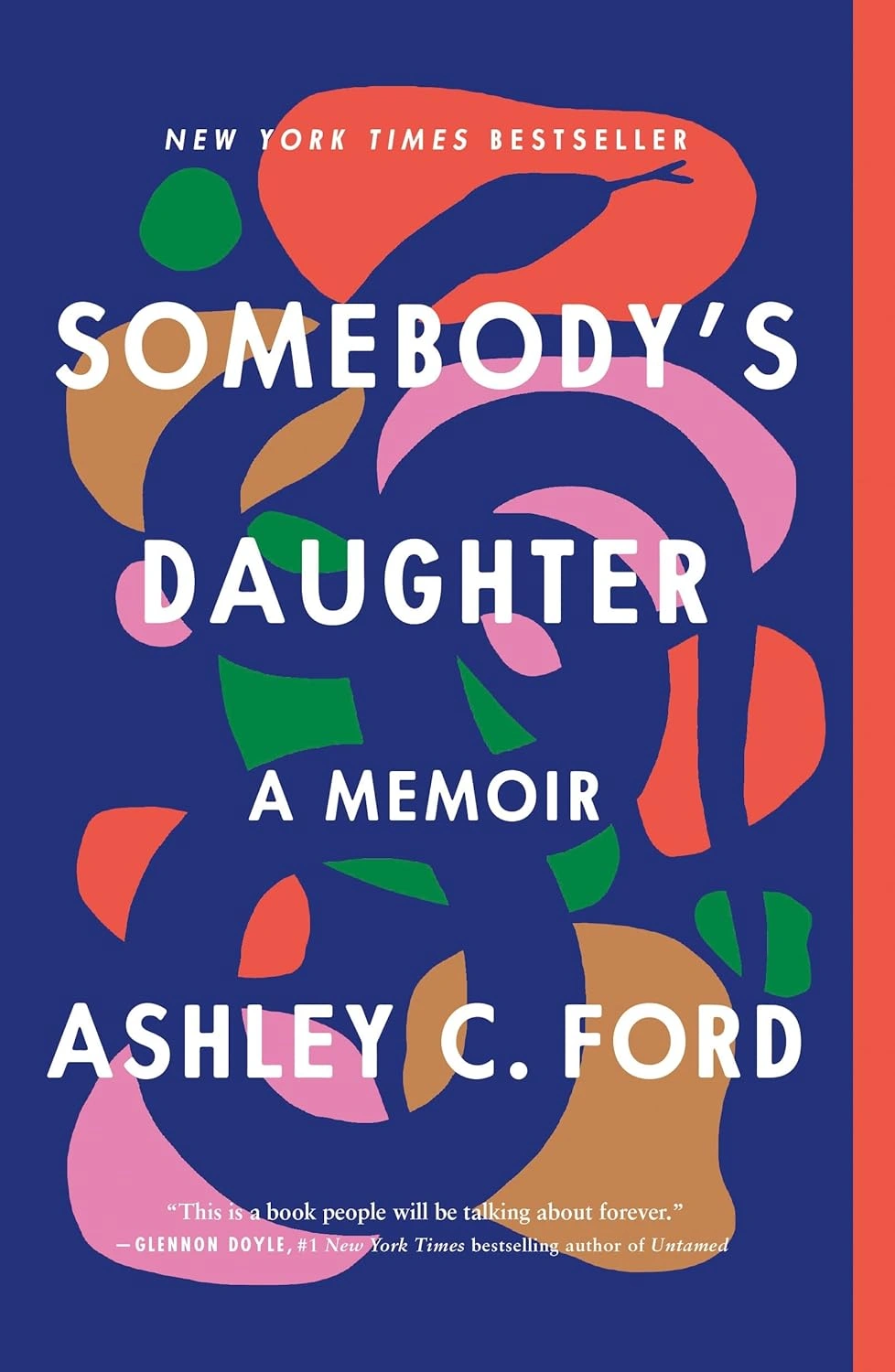
Somebody’s Daughter by Ashley C. Ford
Ford grapples with her father, who is incarcerated. She idealizes his absence while living with an unhinged mother. Much of her emotional trauma resonates with anyone disappointed by their parents. Her powerful message of who you were born as and who you become can be wholly different.
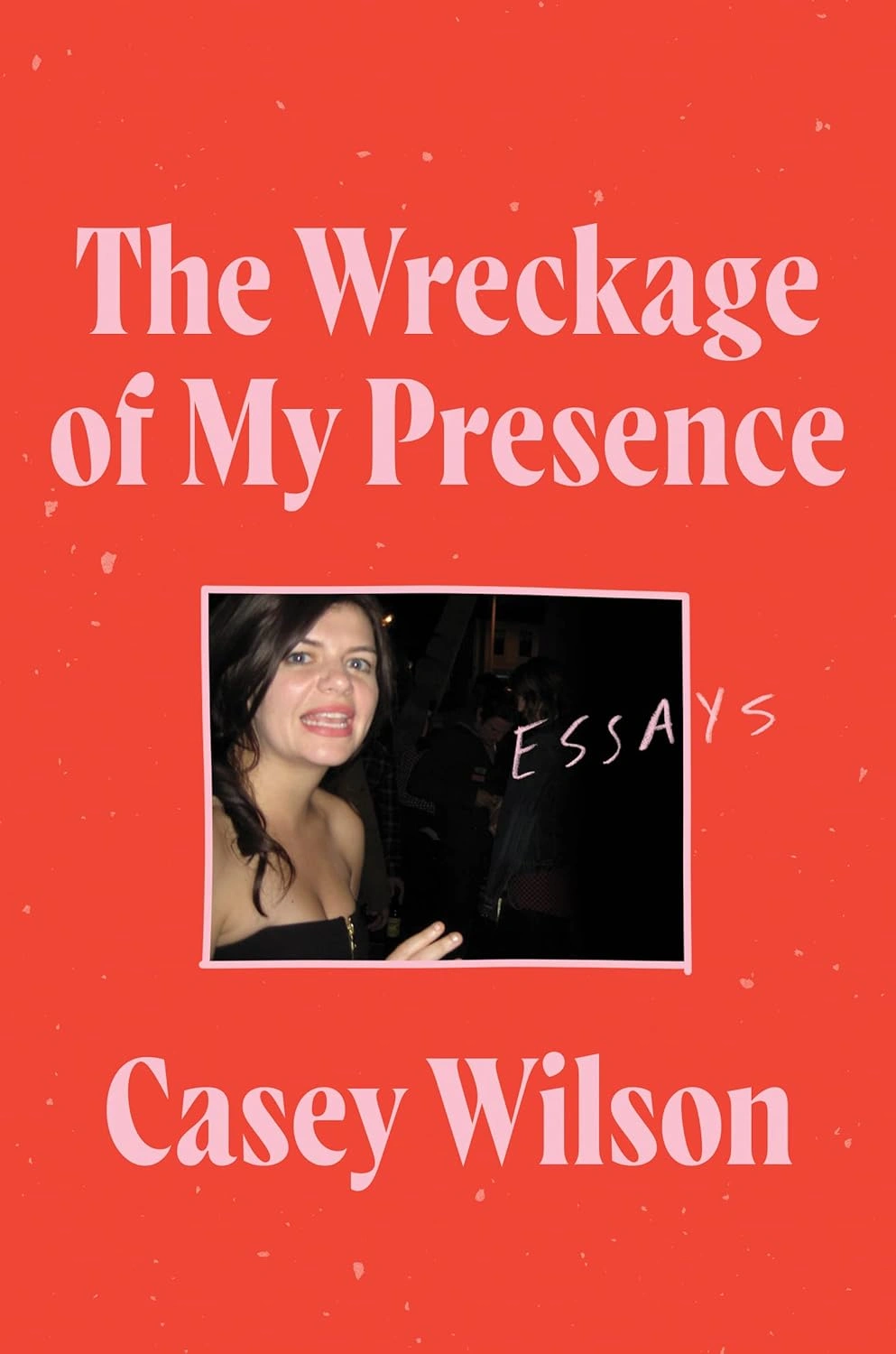
The Wreckage of My Presence by Casey Wilson
Okay, Casey Wilson is a comedy writer and shows us her abilities. This is her life laid bare with a lot of heart and humor. Any Gen X-er will nod along, getting the inside joke and cultural references.
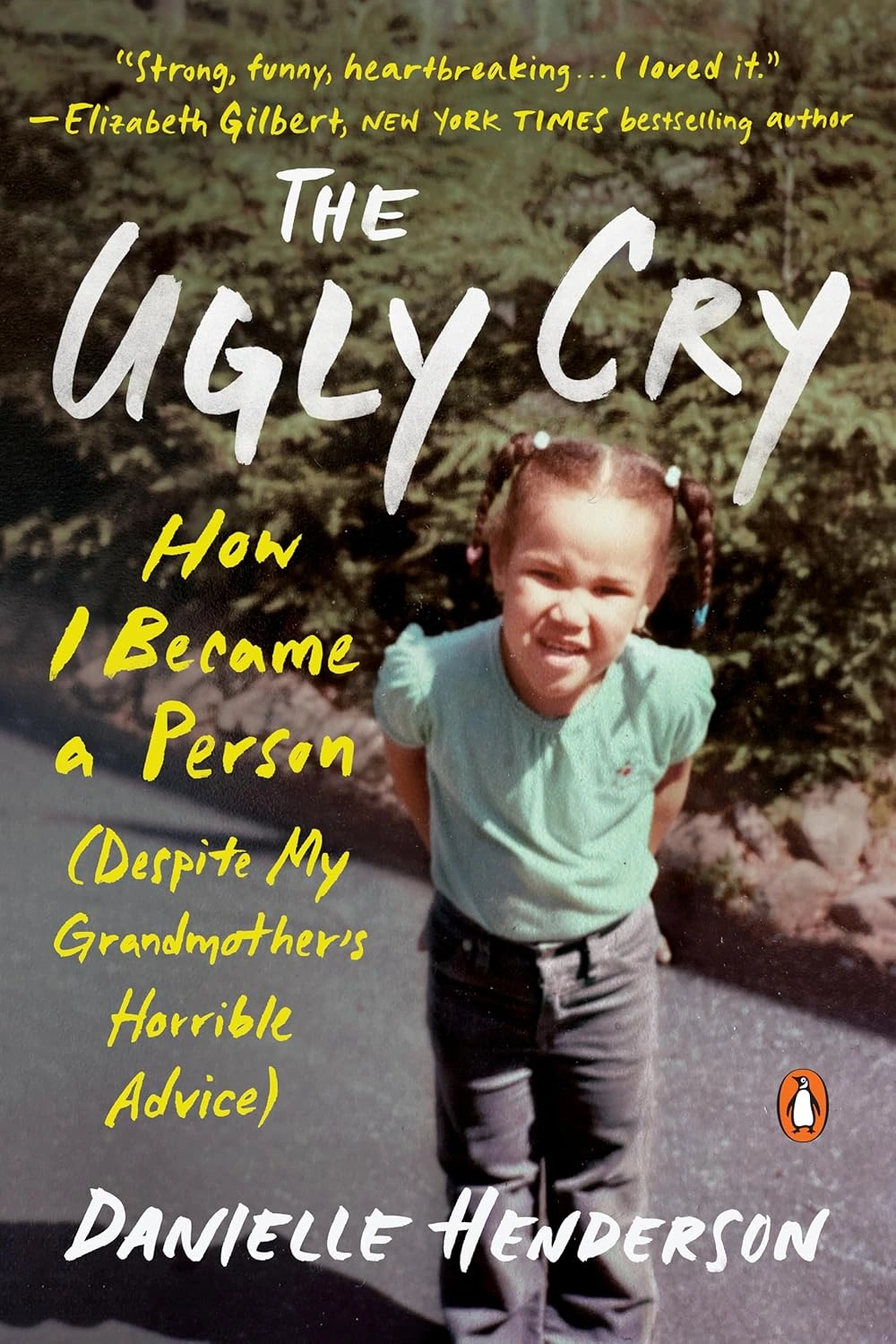
The Ugly Cry: How I Became a Person by Danielle Henderson
Abandoned by her mother, Henderson grew up as a black girl in a white neighborhood and was raised by a fiery grandmother. She was different in every way; her world and personality were unconventional, yet somehow, later, she thrived.
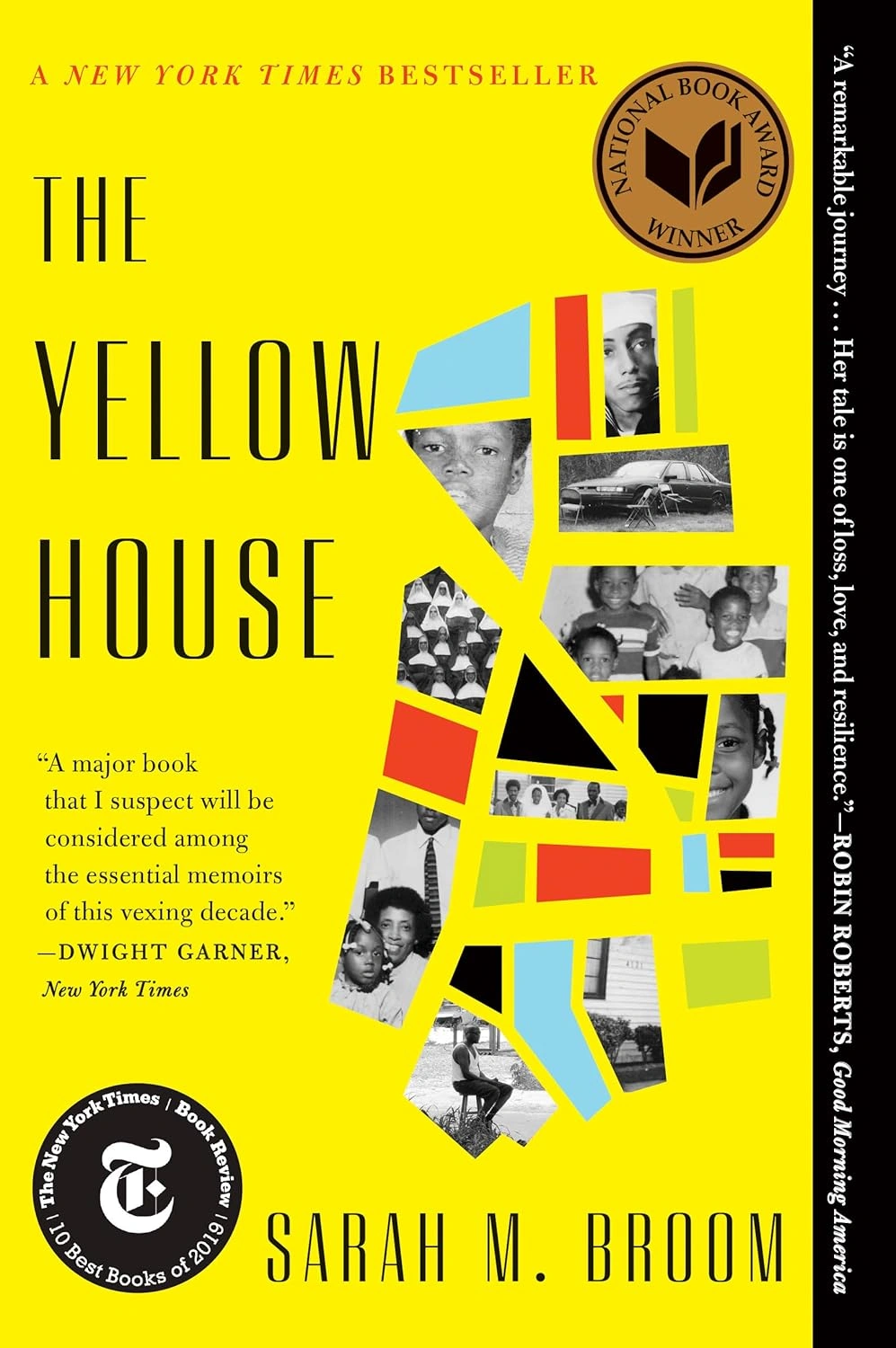
The Yellow House: A Memoir by Sarah M. Broom
The Yellow House traces a century of the Broom family and their bond to a home in the poorest part of New Orleans. As an African American, Sarah leaves and returns to reckon with memory, loss, inequality and belonging in America—even after Hurricane Katrina erases the house itself.
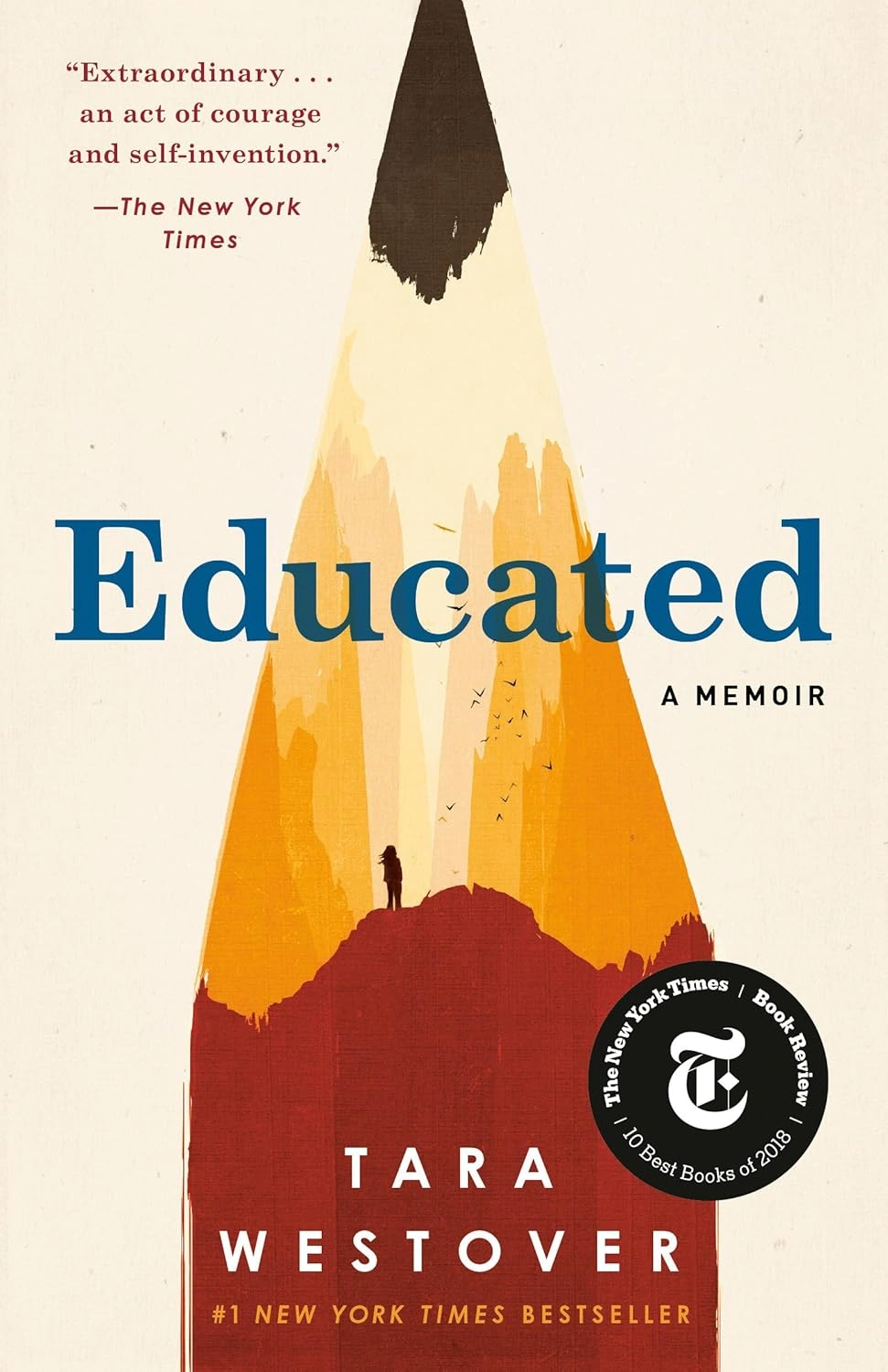
Educated: A Memoir by Tara Westover
Everyone should read this story. Westover’s tormented childhood is jaw-dropping, but it speaks to other sides of American life that perhaps we didn’t know existed culturally. Her triumph in the end has the readers cheering.
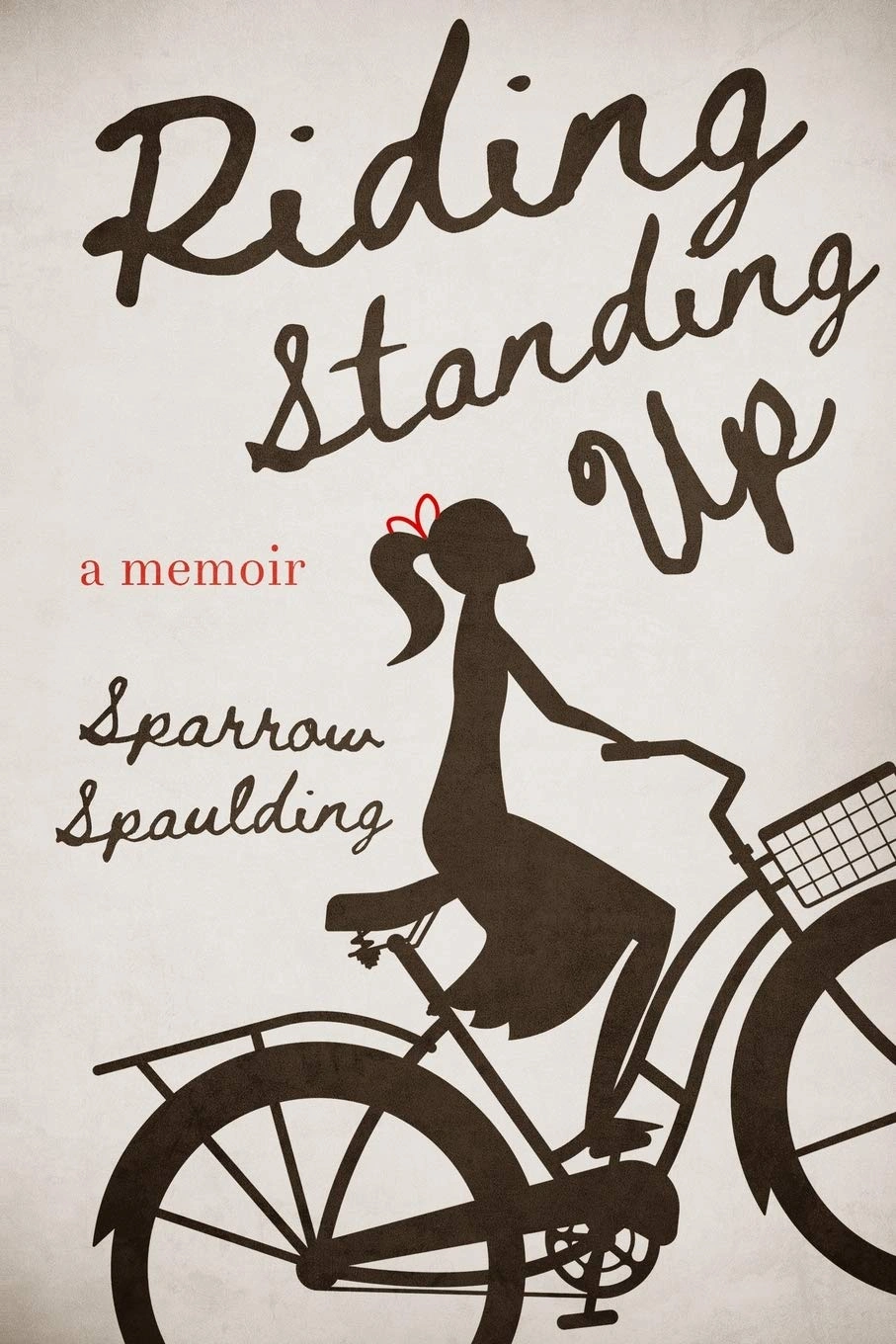
Riding Standing Up: A Memoir by Sparrow Spaulding
Spaulding grows up in poverty, moves through different schools and homes, faces emotional neglect and ends up a psychotherapist. For us Gen X girls, we can relate to a lot of her high school experiences.
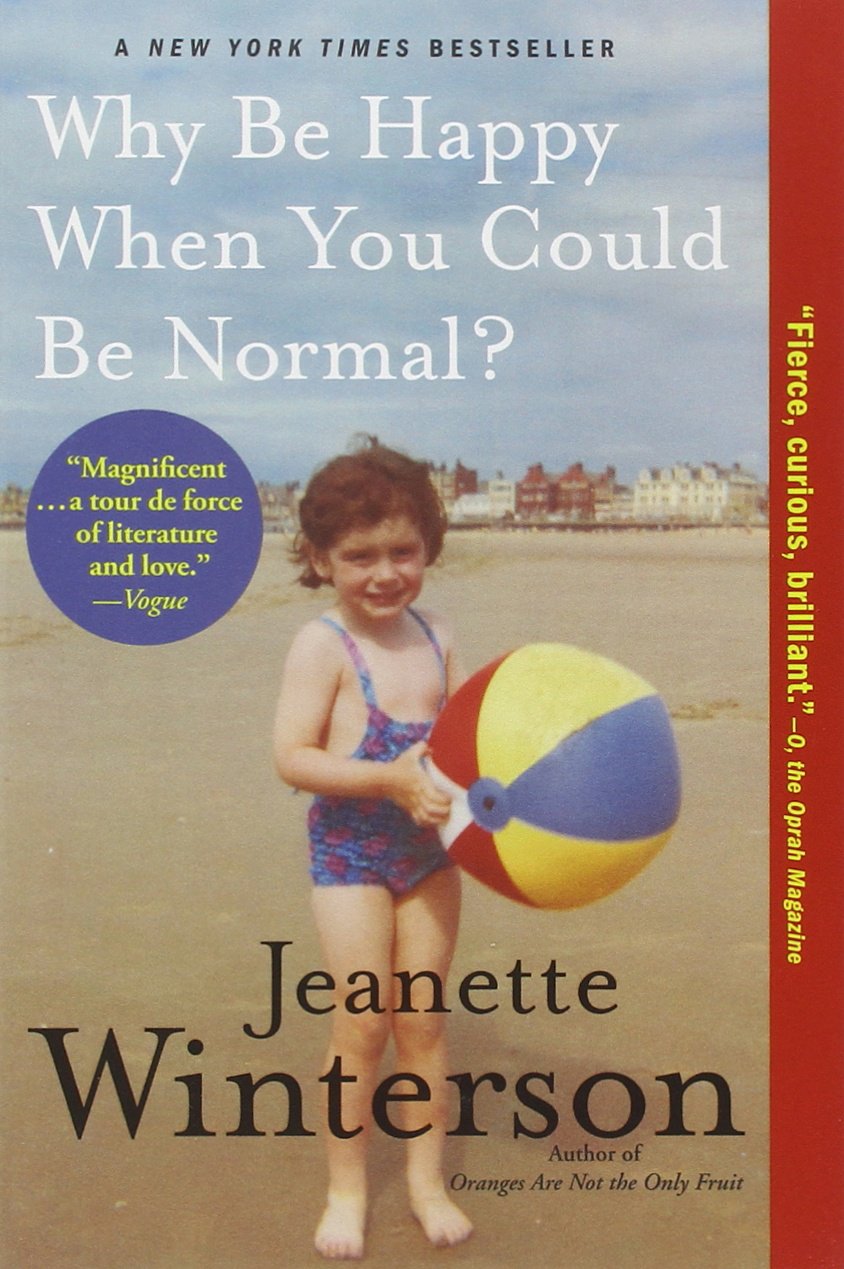
Why Be Happy When You Could Be Normal? by Jeanette Winterson
Winterson is an adopted lesbian living in a deeply religious family. She tackles cultural taboos in America while navigating her childhood, heavy but inspiring.
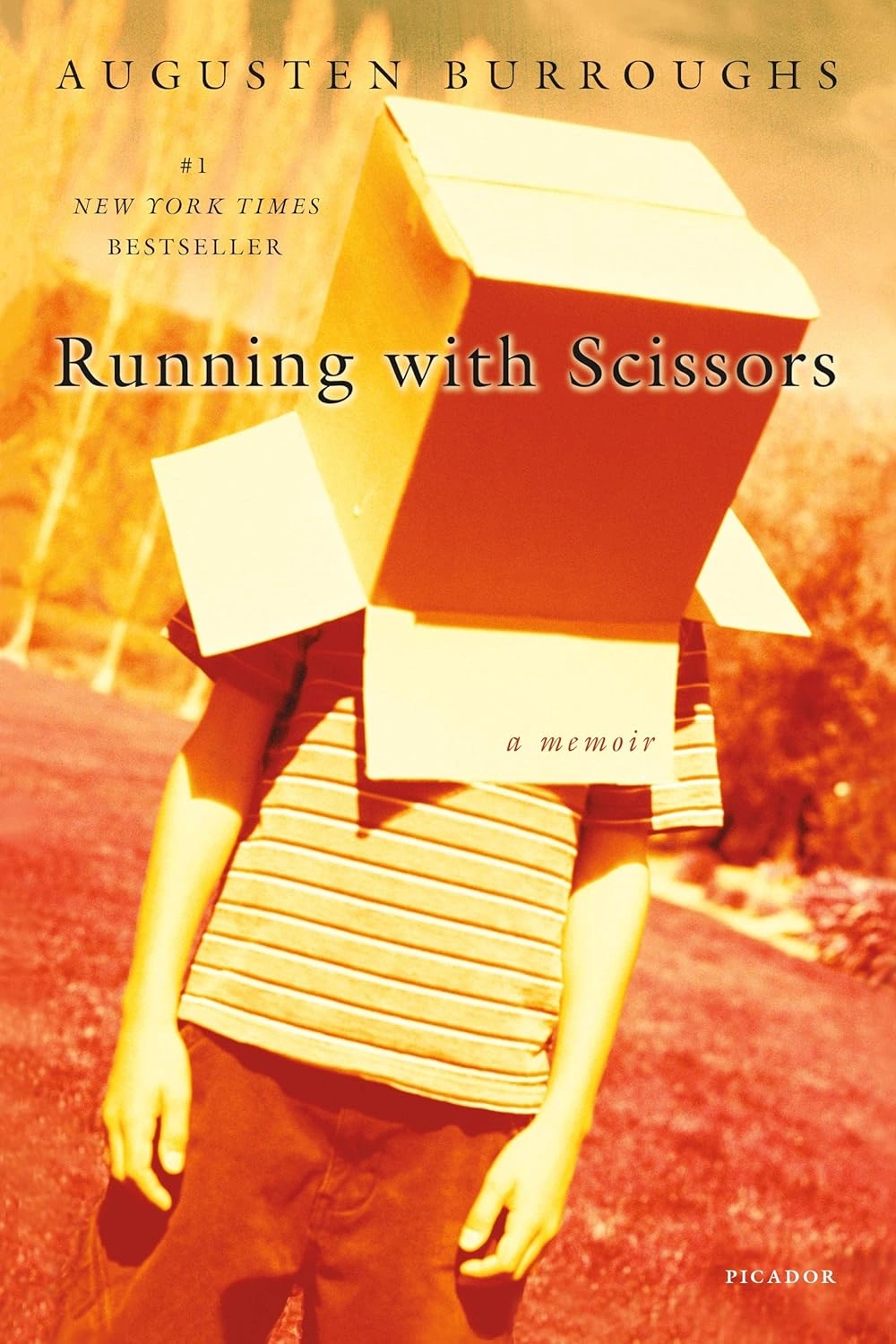
Running with Scissors by Augusten Burroughs
Burroughs normalized his parents’ behavior until he could grow up and write about it. The trauma was deeply embedded in him, and his work resonates with stories so crazy that they could only be real. And he is starkly funny about it.