
The Murders in the Rue Morgue by Edgar Allen Poe (1841) is generally considered the first modern detective story. Most writers of crime fiction know that, and yet many of us are surprised to learn that the eccentric detective, M. Auguste Dupin, isn’t a policeman. He isn’t even a detective like Hercule Poirot. Monsieur Dupin is a complete amateur who solves a seemingly impossible locked-room mystery by exercising what Poe called “ratiocination,” the use of deductive reasoning. He involves himself in the shocking murders of a reclusive mother and daughter in Paris’s Rue Morgue for the pure pleasure of solving an intellectual puzzle.
Poe’s seminal tale established a pattern for future writers of mystery — the impossible crime, the baffled policemen, the confused but admiring sidekick, and the brilliant amateur detective.
Readers today still love mysteries solved by ordinary people who find themselves thrust into the investigation of murder and mayhem by curiosity, coincidence, or personal connection with the victim or assumed perpetrator.
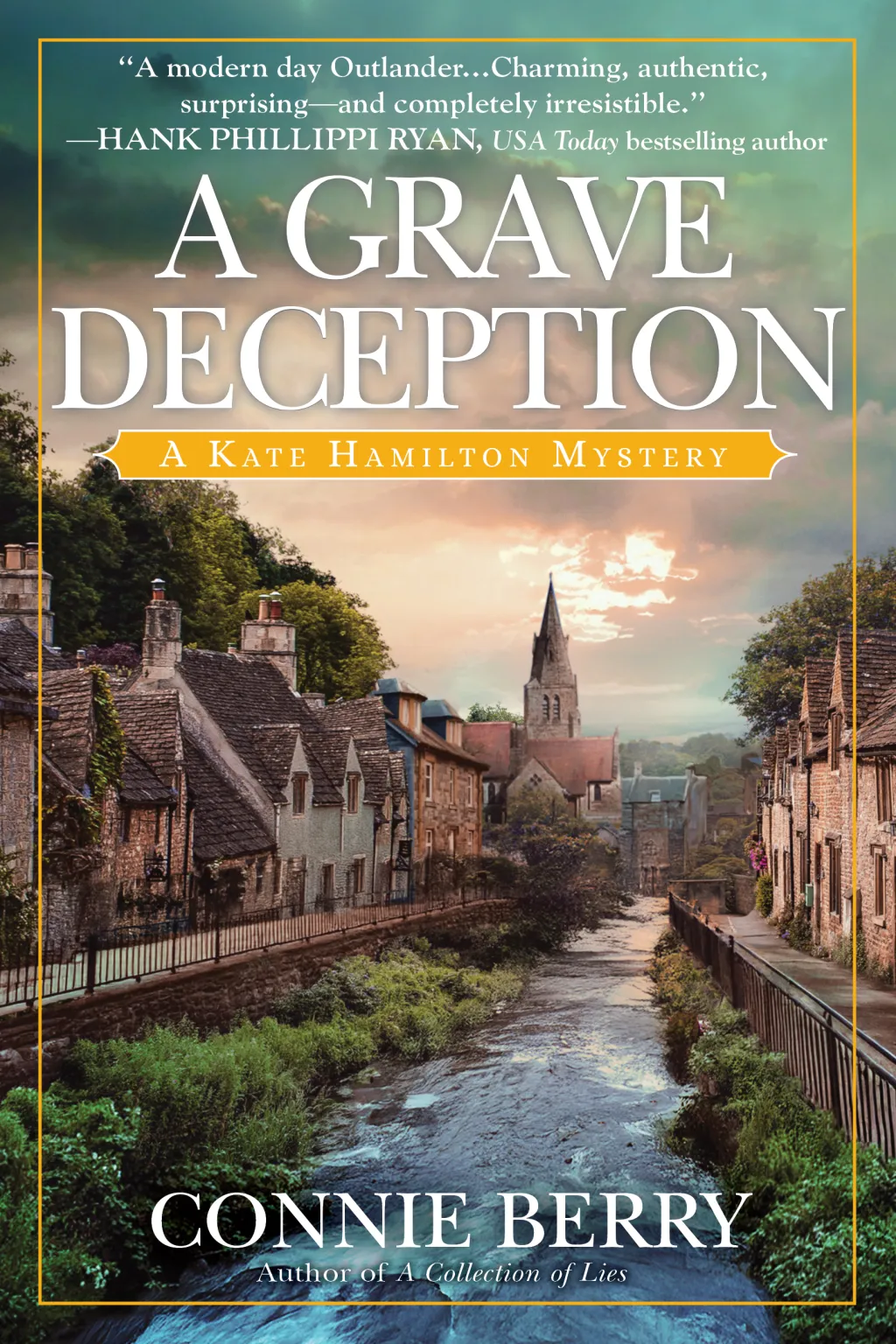
Hundreds of novels and short stories are published each year involving amateur sleuths — owners of coffee shops and bookstores, caregivers and retirees, knitters and scrapbookers, historians and antiques experts like my protagonist, Kate Hamilton. Amateur sleuths are people we might actually know. They might even be us — at least in our imaginations.
Why do ordinary people make extraordinary detectives? It’s elementary, dear reader.
Ordinary People Have Local Knowledge
Having lived in a community, amateur sleuths understand their fellow citizens on a deeper level than someone helicoptering in from outside. They know the history of a place, the old feuds, and the deadly secrets simmering beneath the deceptively calm surface of community life. They are known and trusted. In the first Miss Marple novel, The Murder at the Vicarage, Jane’s position of respect in the village of St. Mary Mead gives her access to information the police lack. People tell her things they would never tell the police.
In addition to their local knowledge, amateur sleuths are familiar with local patterns of behavior, which enables them to spot discrepancies and deviations a professional would probably miss. In Caroline Graham’s debut mystery, The Killings at Badger’s Drift, the death of elderly Emily Simpson is quickly attributed to natural causes, but her long-time friend, Miss Bellringer, notices several things completely out of character for her longtime friend and insists (rightly) that she was murdered.
Ordinary People Don’t Have to Follow the Rules
Unhampered by the limitations of rules and procedures, amateur detectives are free to guess, to follow hunches, employ intuition (feminine or otherwise) and speculate. They can pursue unconventional leads and use creative methods forbidden to professionals. They can lie to suspects (although we want them to feel bad about it). By knowing the right people, they might acquire forensic information and even gain admittance to crime scenes. They can search the homes of possible suspects by disguising themselves as plumbers or computer techs or house cleaners. Is this dangerous? Of course. Readers would never dream of doing such things, but this is fiction, where anything might be true. Part of the fun of reading an amateur-sleuth mystery is the tension created by the sleuth’s unconventional, often illegal acts. Will they be caught? We don’t approve of lawlessness, of course, but we forgive them because their actions are justified, if not by law then by the greater good of restoring order and justice.
Ordinary People Have Specialized Knowledge and Talents
Alan Bradley’s young chemistry enthusiast Flavia de Luce uses her scientific knowledge to analyze evidence and evaluate cause and effect. Elizabeth Peters’s Amelia Peabody uses her archaeological expertise to dispel superstitions and focus on logical explanations. The members of Richard Osman’s Thursday Murder Club combine their individual skills, spearheaded by former spy Elizabeth Best, whose past career in espionage outstrips the local police.
An amateur sleuth might have a helper with special knowledge — like Nancy Atherton’s Lori Shepherd, who is aided by the ghost of Aunt Dimity or Lilian Jackson Braun’s journalist Jim Qwilleran whose two Siamese cats have instincts and curiosity that help solve human crimes.
Everyone’s favorite amateur sleuth may be Agatha Christie’s fluffy little spinster Jane Marple, who solves murders, not by gathering clues and weighing evidence but by noticing patterns of human behavior. Her gifts are observation, spotting similarities, and recognizing the evil that lurks in the human heart. Of her, retired Scotland Yard commissioner Sir Henry Clithering says:
“Downstairs in the lounge, by the third pillar from the left, there sits an old lady with
a sweet, placid, spinsterish face, and a mind that has plumbed the depths of human
iniquity and taken it as all in the day’s work … Where crime is concerned, she’s the
goods.”
Ordinary People Have Compelling Personal Reasons to Solve a Crime
Amateur sleuths often have a personal connection to the victim of crime — or they may be suspected of committing the crime themselves.
In Murder at Melrose Court, the first Heathcliff Lennox mystery by Karen Baugh Menuhim, Lennox is caught holding the gun that killed a Russian countess and is forced to investigate in order to clear his own name. In The Body in the Library, Jane Marple investigates the murder of a young woman in order to remove the shadow of suspicion from her old friends, the Bantrys, upon whose library floor the body is discovered. Her goal is not only to establish justice but also to prevent injustice to the innocent. In Jessica Bull’s Miss Austen Investigates, Jane must prove her brother, George, innocent of the murder of a milliner before he’s sent to the gallows.
A personal connection to the crime adds a compelling emotional layer to the puzzle plot, but even with no personal connection to the crime, an amateur sleuth may be motivated by their ideals.
In The Vanished Bride by Bella Ellis, the Brontë sisters — Charlotte, Emily and Anne — combine their skills of imagination and observation to secure justice for a young mother accused of murder in a society that dismisses the value of women. In The Widows of Malabar Hill, Sujata Massey’s heroine, Purveen Mistry, one of the only female lawyers in 1920s Bombay, defends the legal rights of women living in purdah, the religious and social practice that prevents them from leaving their home or speaking to men.
Reading About Amateur Sleuths Is Just Plain Fun
Reading about ordinary people, people like ourselves but with lives interrupted by extraordinary circumstances, is pure escapism. Through the adventures of amateur sleuths, we, like Walter Mitty, can live any number of lives. We can save the helpless, solve impossible crimes, exercise our gifts of ratiocination, and restore order and justice in a chaotic, often unjust world. Unlike poor Mitty, we can then re-enter the real world, refreshed and ready to face the challenges of life. Because you never know, do you, when you might trip over a body.
Best to be prepared.