
Some childhoods leave marks that never fully fade — fractures that run quietly beneath the surface of adult lives. The memoirs in this list bear witness to early years shaped by neglect, instability, poverty and other forms of harm, each story offering a different lens on what it means to grow up without the safety every child deserves.
And yet, these are not only stories of what was endured. They are stories of what comes after: the long, often complicated path toward healing. Together, they remind us that survival is not a single moment, but a lifelong process — and that even the most traumatic beginnings can lead to something whole.

The Glass Castle by Jeannette Walls
Jeannette Walls recounts a childhood defined by instability, hunger and deeply unpredictable parenting. Raised by brilliant but unreliable parents, she and her siblings move constantly, often living on the edge of survival in desert towns and rural Appalachia. Love is present — but so is neglect, and the line between the two is rarely clear.
Walls tells her story with remarkable restraint, allowing readers to sit with the contradictions of a childhood that was both fiercely independent and profoundly unsafe. Her eventual move to New York marks not just an escape, but a reckoning — one that asks what we owe the people who shaped us, even when they’ve failed us.

Heavy by Kiese Laymon
Written as a letter to his mother, Heavy traces Kiese Laymon’s coming of age in Mississippi, where poverty, racism and secrecy shape his understanding of himself from an early age. His childhood is marked not by a single defining trauma, but by the accumulation of pressures — body shame, addiction, silence and the constant negotiation of identity in a world that feels both intimate and unforgiving.
Laymon’s voice is intimate and searching, returning again and again to the question of what is said and what is withheld. The result is a memoir that examines how we carry what we are given — and what it takes to finally set some of that weight down.
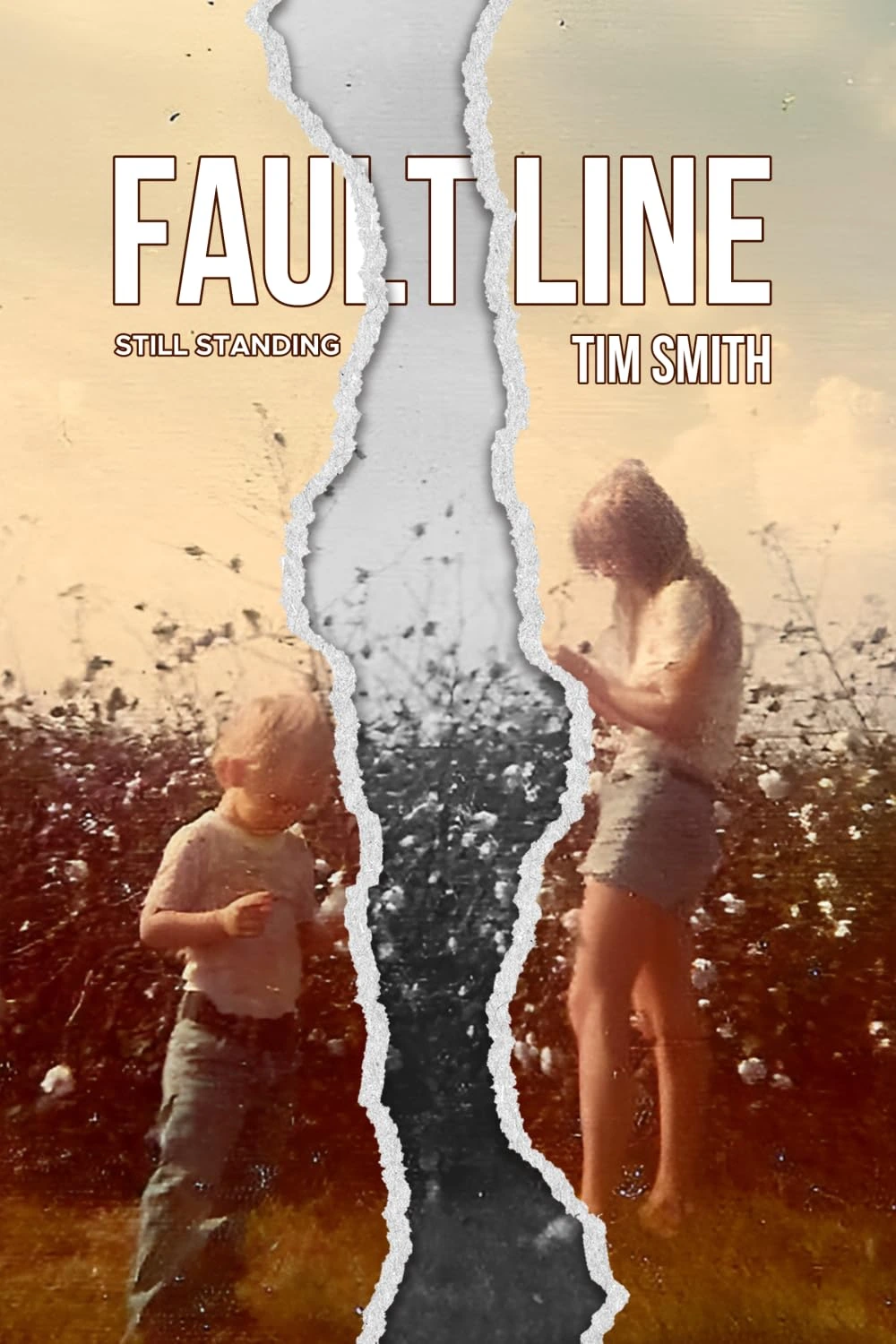
Fault Line: Still Standing by Tim Smith
Tim Smith confronts a childhood shaped by volatility, fear and emotional abandonment, where safety is never a given and love often arrives tangled with harm. Growing up in the rural South, he moves through a series of unstable homes and caregivers, navigating not only neglect and domestic chaos but also the isolating weight of bullying and identity confusion at a young age.
What distinguishes Smith’s story is its emotional clarity — he recounts these experiences without sentimentality, allowing the cumulative impact of small and large traumas to speak for itself. Moments of refuge — teachers, books, creative expression — offer brief glimpses of another path.
That path comes into focus in adulthood, as Smith begins the difficult work of untangling his past and rebuilding a life defined not by what happened to him, but by what he chooses to carry forward.
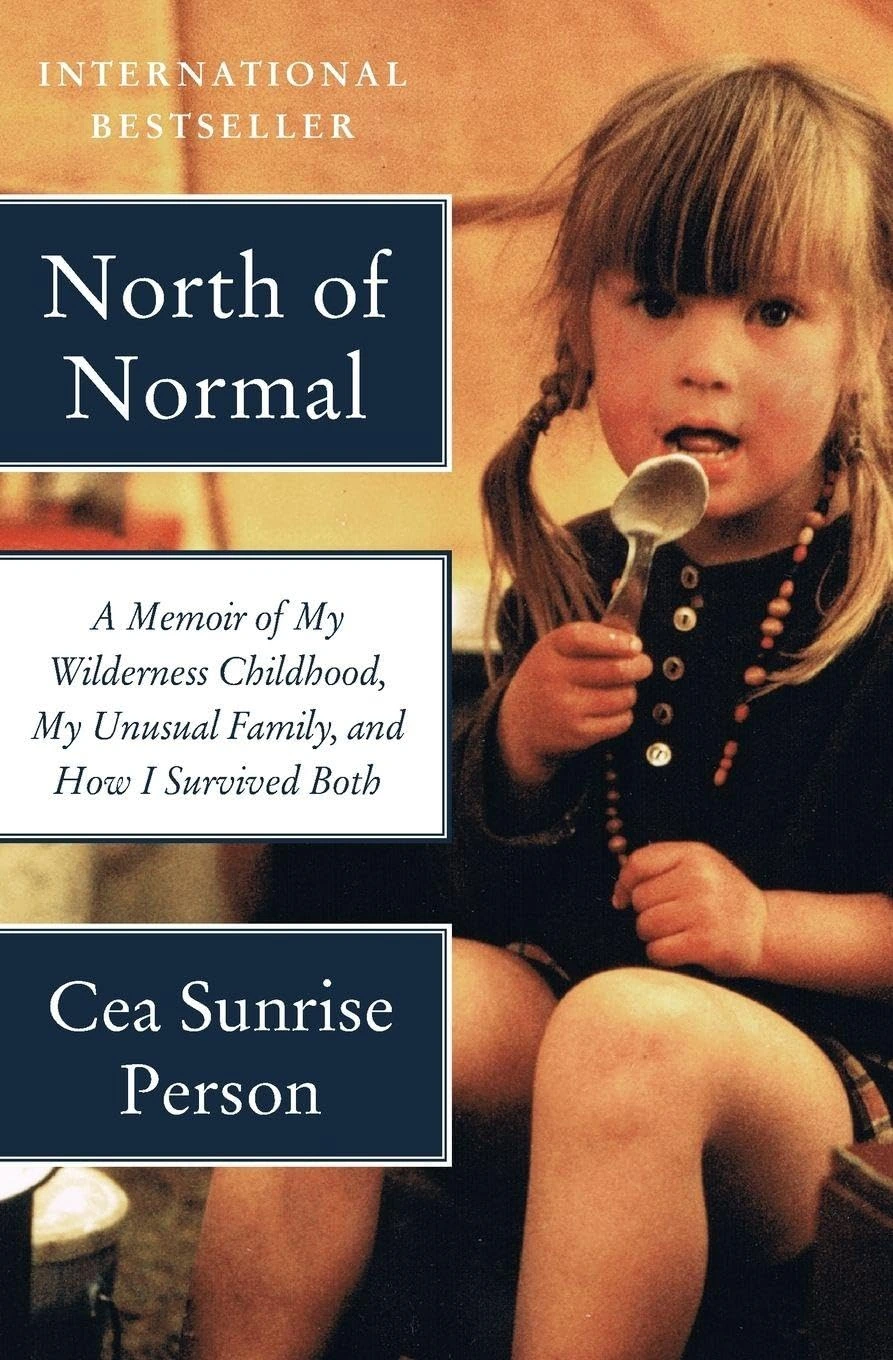
North of Normal by Cea Sunrise Person
Cea Sunrise Person spent her childhood off the grid in the Canadian wilderness, where freedom and neglect exist side by side. Raised in a counterculture environment without structure or consistent protection, she is exposed to adult situations long before she can understand or consent to them, learning early that survival depends on adapting quickly.
Person captures the disorientation of moving between worlds — first the isolation of her upbringing, then the high-pressure environment of international modeling. What emerges is a story about resilience and reinvention, and the complicated process of learning what “normal” might look like after growing up without it.
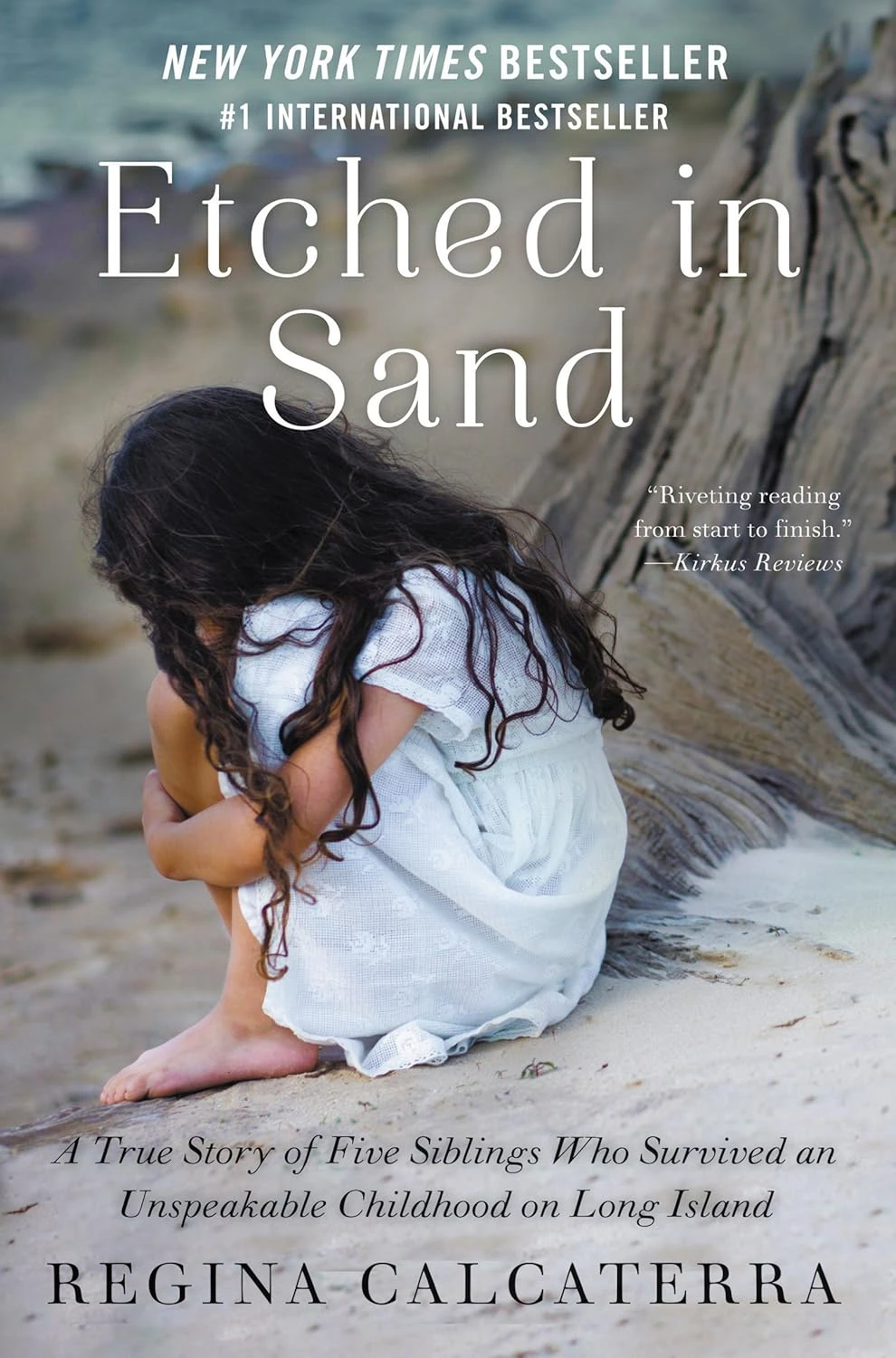
Etched in Sand by Regina Calcaterra
Regina Calcaterra was one of five siblings growing up in extreme poverty on Long Island who were often left to fend for themselves. With their mother unable to provide stability, the children cycle through abandonment, unsafe living situations and the foster care system, relying on one another when no adult can be trusted to stay.
At the heart of the memoir is the bond between siblings — particularly the fierce determination of the eldest to keep the family together against impossible odds. Calcaterra’s story highlights how survival can become a shared responsibility, and how resilience is often built not alone, but in the fragile, determined connections we refuse to let go of.