
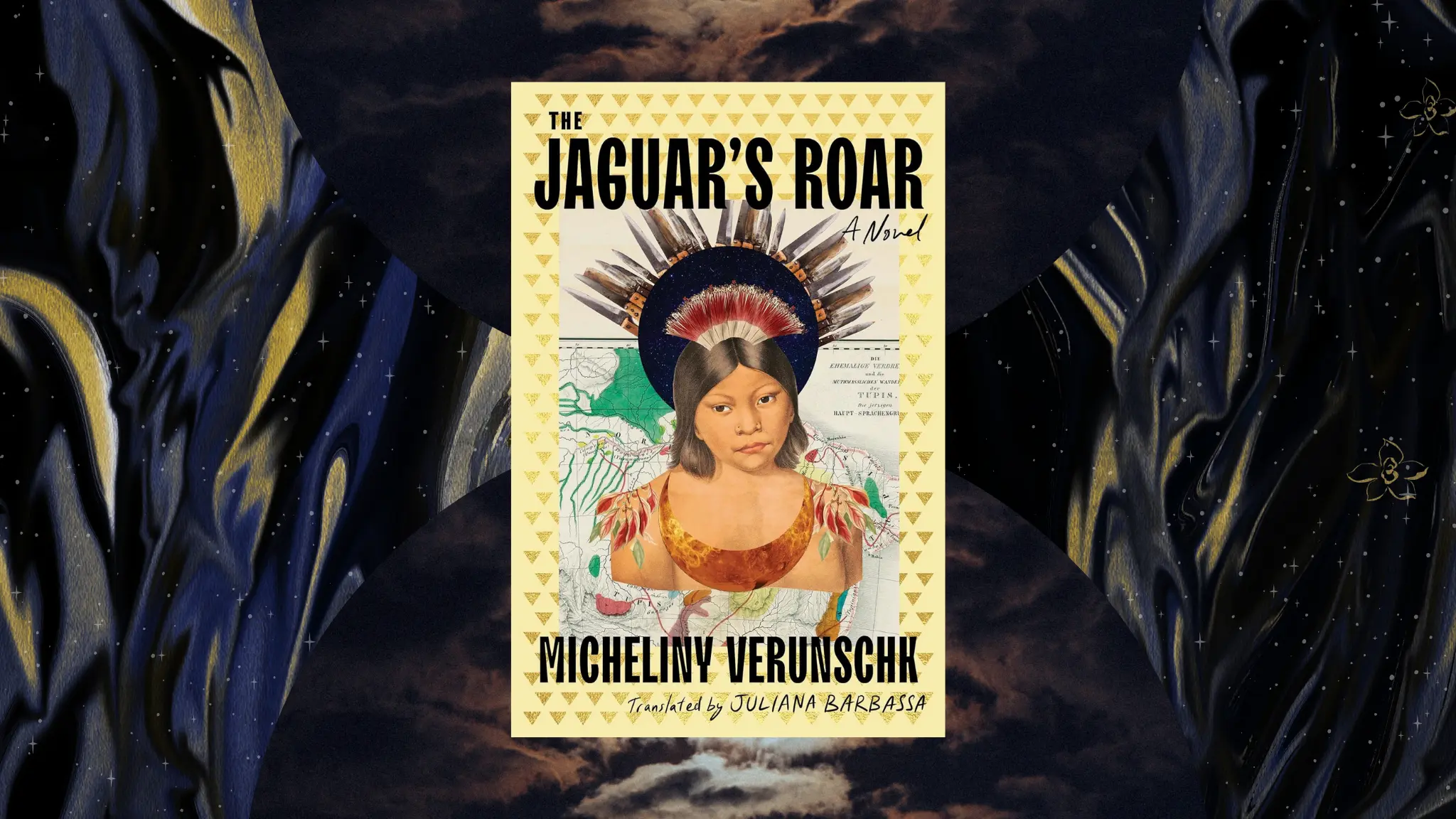
The Jaguar’s Roar by Micheliny Verunschk
“Verunschk writes a fascinating historical story, brings creativity to her prose and shines light on a forgotten crevice of white colonialism.”
Micheliny Verunschk weaves a nuanced web about colonialism and the effect centuries-old behavior still has on modern times in her newest release, The Jaguar’s Roar. With whip-smart prose, she imagines the life of Iñe-e as she is raised in Brazil and eventually taken from her homeland. Verunschk’s writing stands out because of the way she connects humans and nature. She writes, “The woman leans back, eyes and ears alert. Her open mouth takes in the breath that courses through the leaves on the trees, through the animals, that has touched the skin of all the women who came before her.”
Verunschk beautifully brings together humans, animals, and nature as one while keeping each distinct. She balances the similarities and differences among them. This connection—to nature and to generations before—helps ground the pain that settles in between the lines of her prose.
At the age of twelve, Iñe-e is among a group of children brought to Germany by two white scientists: Martius and Spix. They are the villains of our story, but Verunschk does not treat them as flat characters of harm. At first, Martius feels justified in his taking, citing that the kids will have access to better medicine abroad—he probably just saved their lives. He seems to believe he spurred a rescue mission rather than an assumptive extraction. But the scientists fail in their care of the children. Spix confesses his doubts about their actions as he grows attached to the kids that are all falling sick. His inner monologue, though, shows a powerlessness he experiences against the pursuit of white colonialism. Spix is conflicted, yet silent. Perhaps this is more evidence of his evil, or perhaps Verunschk opens the door for a more complex conversation about whiteness.
With the land so vividly described it becomes a character, colonialism exists as its counterpart. There is a separation that happens from his person and colonialism, and Spix seems blindly guided by this rampant force. Verunschk’s writing and character development suggests that colonialism inhabits bodies, but lives as its own being. At first glance a story about three people, The Jaguar’s Roar tells a tale as old as time: the war of colonialism on land, enacted by humans, but breathing long before Spix took his first inhale.
The Role of Josefa
Brought up to deny her indigenous identity, Josefa feels drawn to the story of Iñe-e. Josefa comes across an image of her in a modern day museum, stirring her exiled ancestral roots. Josefa’s character demonstrates the residual effect of colonialism as she grapples with the rippled pain it creates. She helps bring the past into our contemporary conversations.
Verunschk writes a fascinating historical story, brings creativity to her prose and shines light on a forgotten crevice of white colonialism. It is as enjoyable as it is dire.
About Micheliny Verunschk:
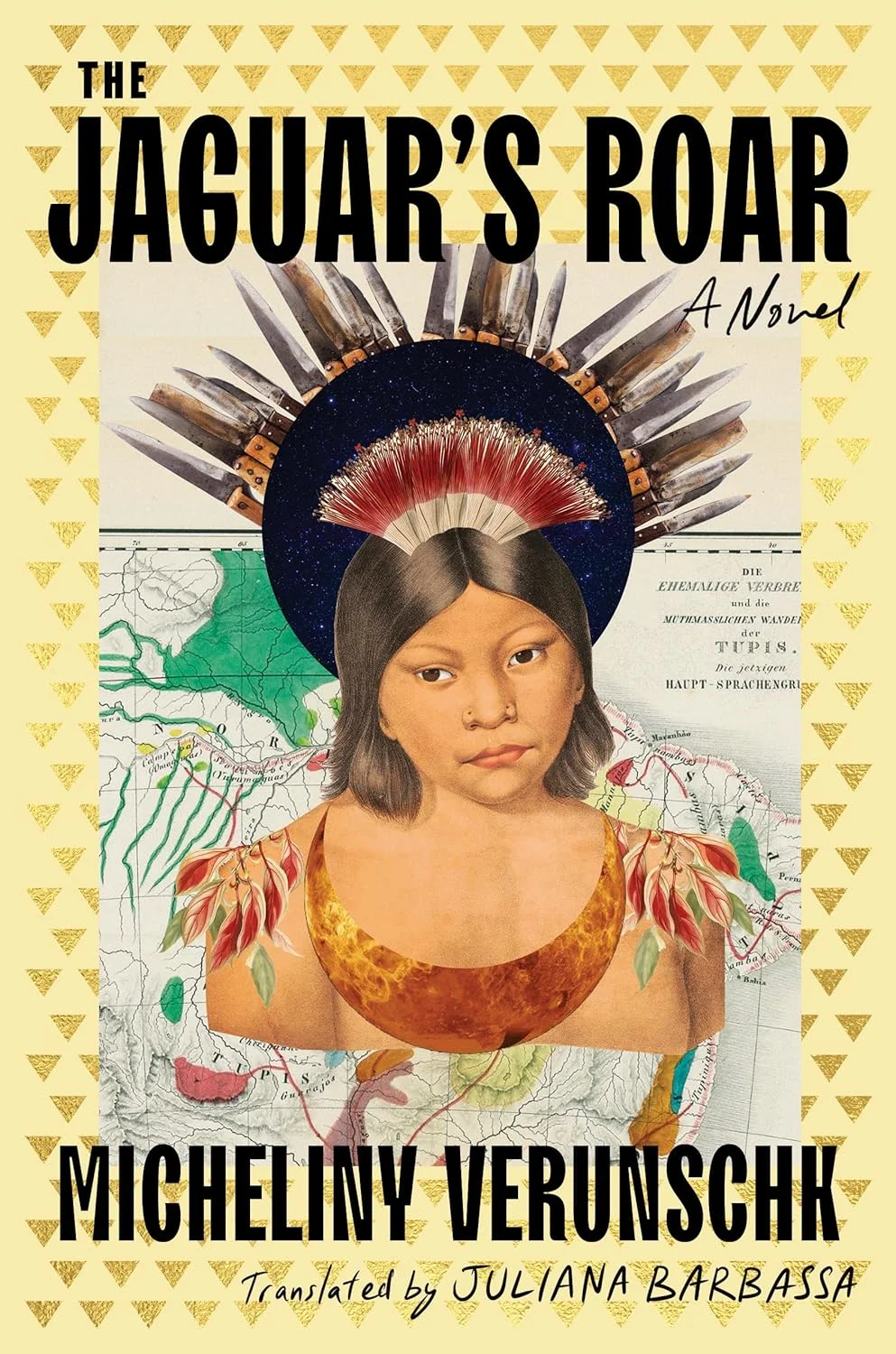
Publish Date: December 2, 2025
Genre: Fiction
Author: Micheliny Verunschk
Page Count: 192 pages
Publisher: Liveright
ISBN: 978-1324097464