

Weird fiction is difficult to pin down, which may be the point. It borrows freely from horror, fantasy, science fiction and the supernatural, but it rarely follows the rules of any one genre. The monster may be impossible to explain. The world may operate according to a logic the characters — and readers — can sense but never fully understand. Even familiar settings can begin to feel subtly, then unmistakably, wrong.
Horror supplies the dread in the collections below, but each book finds a different way to make that dread strange. There are infernal landscapes and grotesque transformations, puppets and cosmic predators, isolated communities and everyday objects carrying impossible consequences. Some of these stories are graphic; others do their damage more quietly. All of them leave the door open to realities best approached with caution.
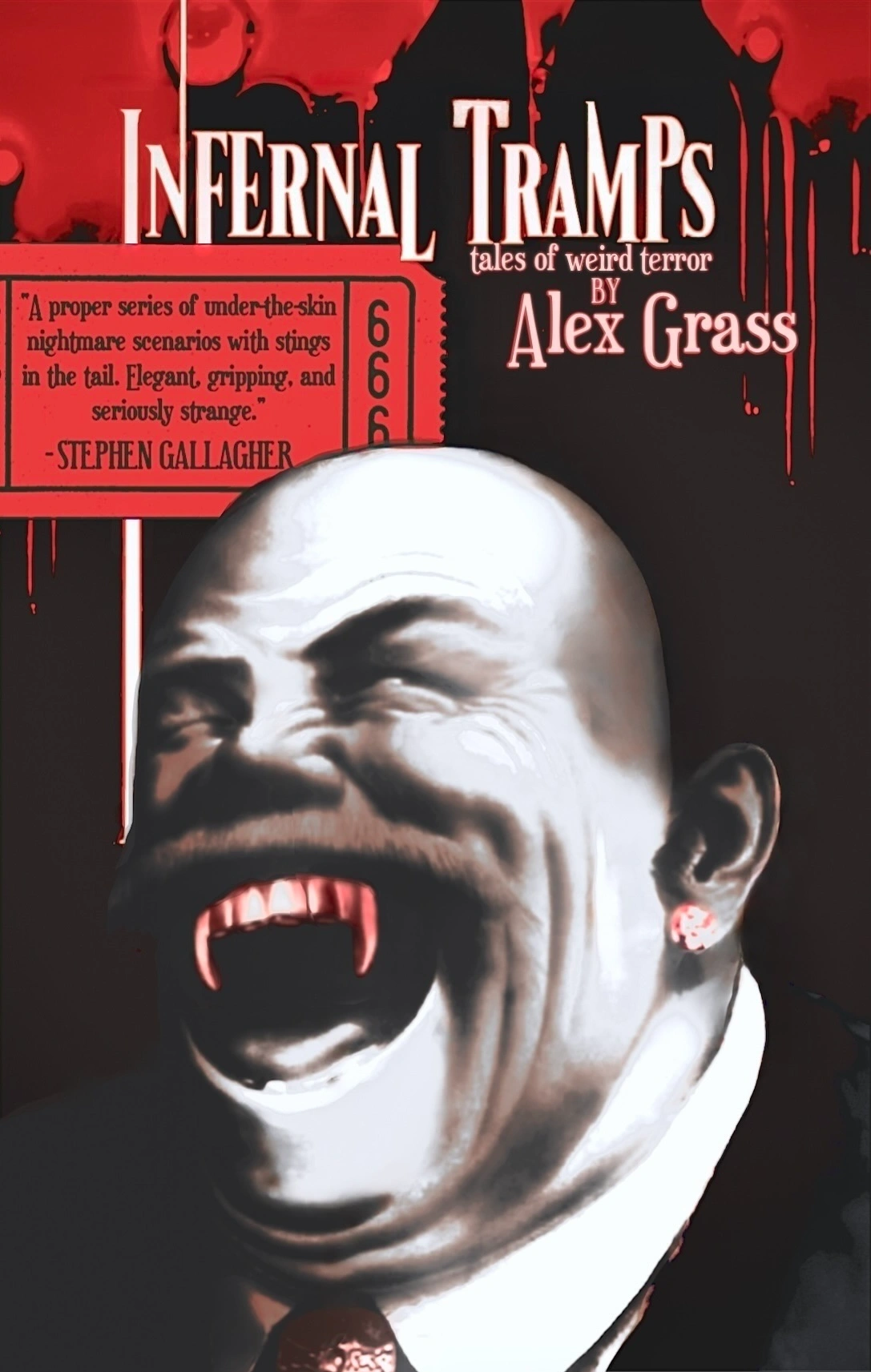
Infernal Tramps by Alex Grass
In Infernal Tramps, ordinary objects and familiar anxieties have a habit of opening doors that should have stayed shut. A forgotten video game carries memories no one else shares. A bloodied dog collar turns Philadelphia into a city devoted to the worship of a dead circus dog. An experimental cosmetic implant begins producing grotesque versions of its owner.
Across 17 stories, Alex Grass moves between supernatural horror, speculative satire and full-throttle body horror. His characters contend with grief, addiction, debt, vanity, loneliness and the suspicion that the world has quietly adopted a far more sinister set of rules. Some stories deliver their shock in only a few pages; others build elaborate mythologies around infernal creatures, cursed technologies and damaged people.
The prose can be ornate, profane and darkly funny, while the black-and-white illustrations make the collection feel like an artifact from its own feverish universe.
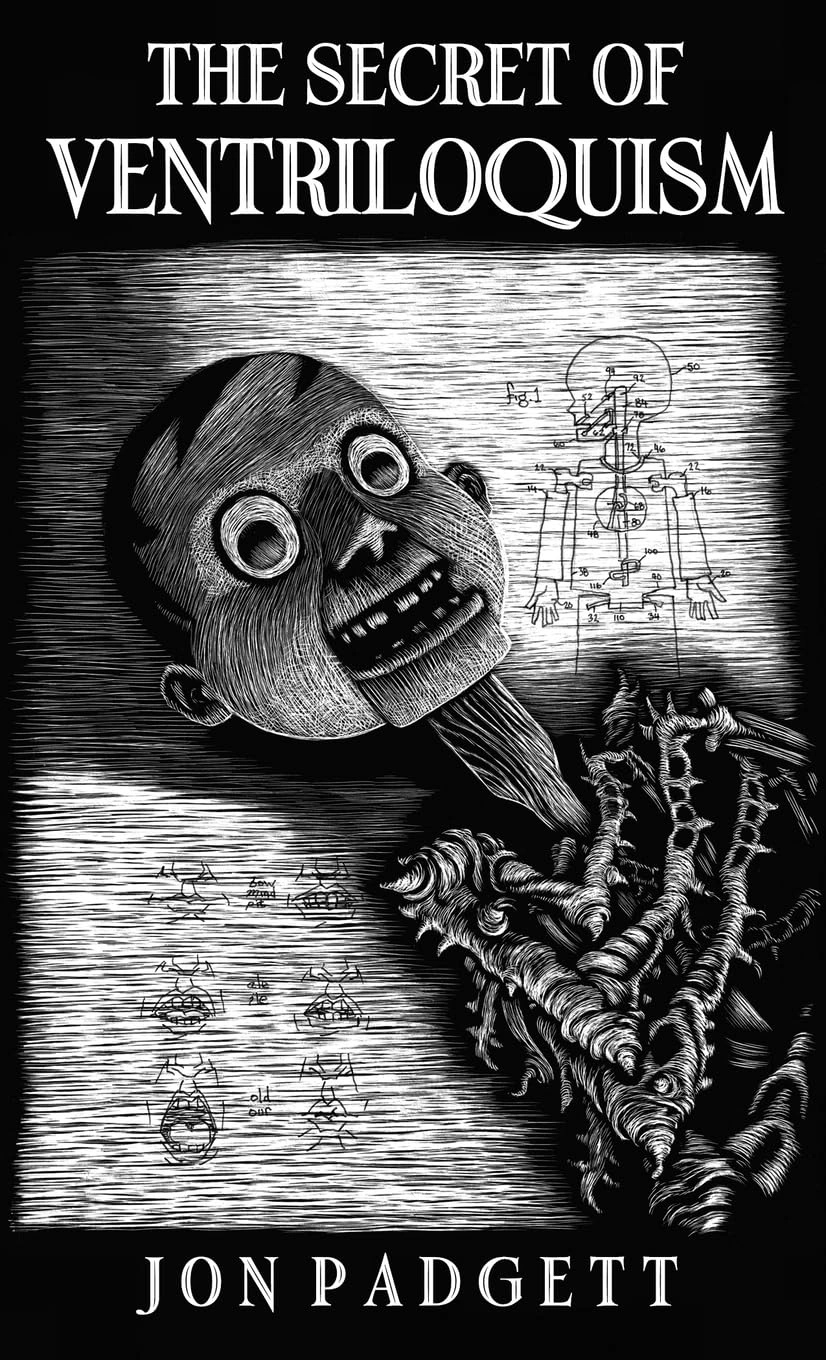
The Secret of Ventriloquism by Jon Padgett
Ventriloquist dummies already occupy an uncomfortable place between object and imitation. In Jon Padgett’s hands, that uneasiness spreads well beyond the stage.
The Secret of Ventriloquism brings together interconnected stories about suffering, identity and the ghastly possibility of escaping the self. A bullied child discovers something inside a bed’s hollow box spring. A lucid dreamer encounters an impossible house. A dummy reveals its anatomy through a set of increasingly sinister instructions, while a dying city disappears into fog.
The pieces form what Padgett describes as a collection and hybrid novel, with recurring voices and images suggesting a larger presence behind them. The expanded edition adds three stories to the original book, which Rue Morgue named its Best Fiction Book of the Year. This is a quieter strain of weird horror, but its unease has a way of lingering.

Wounds: Six Stories from the Border of Hell by Nathan Ballingrud
Hell is not merely a destination in Nathan Ballingrud’s Wounds. It is a neighboring territory whose borders can be crossed, breached and sometimes opened by accident.
The six stories approach that territory from different directions. “The Visible Filth,” later adapted as the film Wounds, begins with a cellphone left behind after a violent barroom confrontation. Elsewhere, a pirate expedition searches for the shores of Hell, a strange creature enters the life of a lonely man, and evidence of the infernal world intrudes upon damaged human relationships.
Ballingrud’s mythology grows more elaborate as the collection progresses, but the people caught inside it remain central. They are lonely, compromised and hungry for things that may already be beyond recovery. Hell magnifies those wounds rather than creating all of them. The result is gruesome and imaginative horror with an emotional pull equal to its monsters.
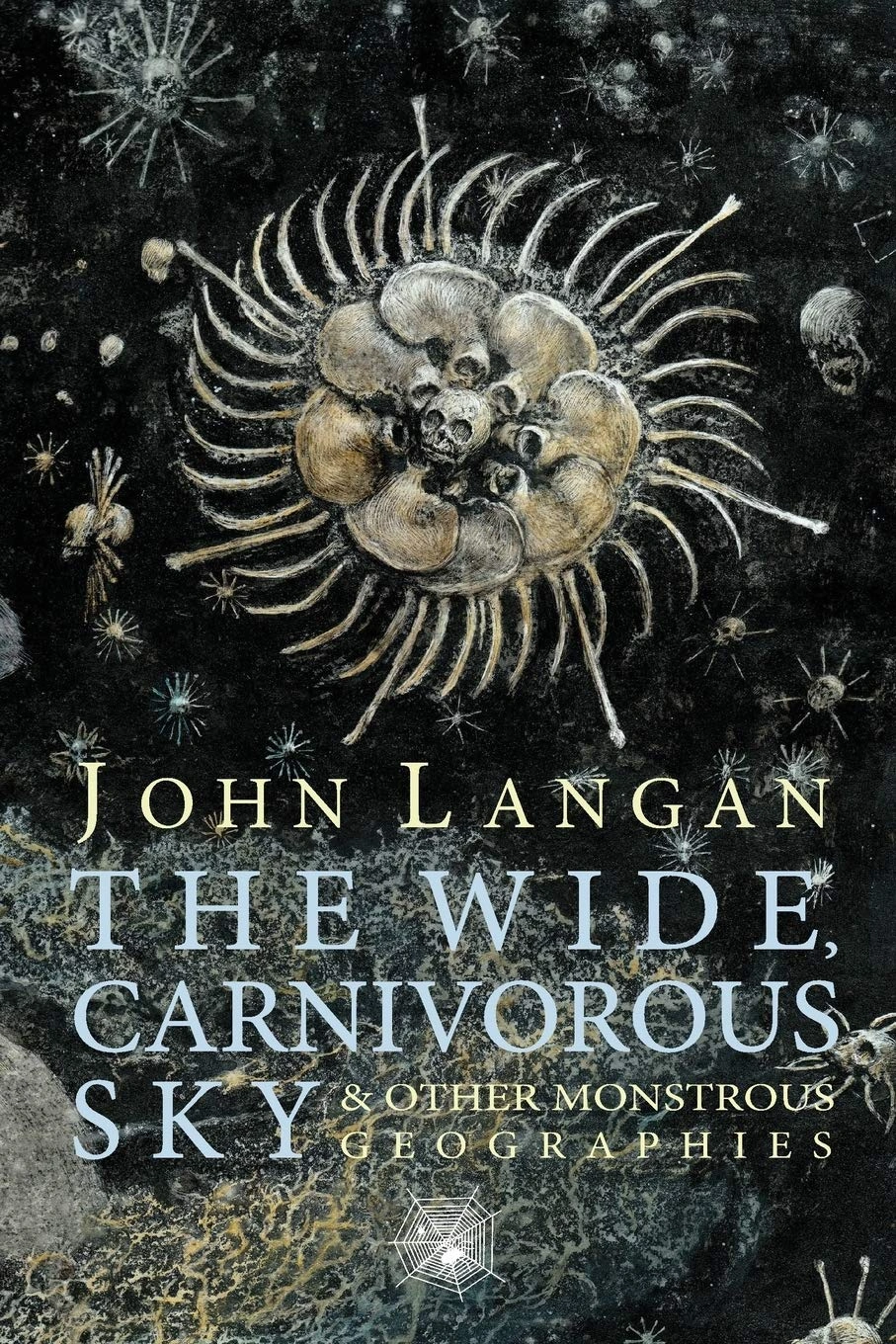
The Wide, Carnivorous Sky and Other Monstrous Geographies by John Langan
John Langan’s monsters do not always stay inside the stories built to contain them. Neither do the forms of the stories themselves.
The nine pieces in The Wide, Carnivorous Sky and Other Monstrous Geographies revisit vampires, werewolves, zombies and cosmic terrors through unusual structures and shifting points of view. The title story sends a group of soldiers against a vampiric presence in the sky. “Technicolor” takes the form of an academic lecture that becomes an ingenious variation on Edgar Allan Poe’s “The Masque of the Red Death,” while “The Revel” dismantles and reconstructs the conventions of the werewolf story.
That awareness of horror’s machinery never makes the collection feel clinical. Instead, interpretation becomes part of the danger. Recognizing the kind of story one has entered offers no guarantee of escape. These are monsters with intellectual teeth—and very real appetites.
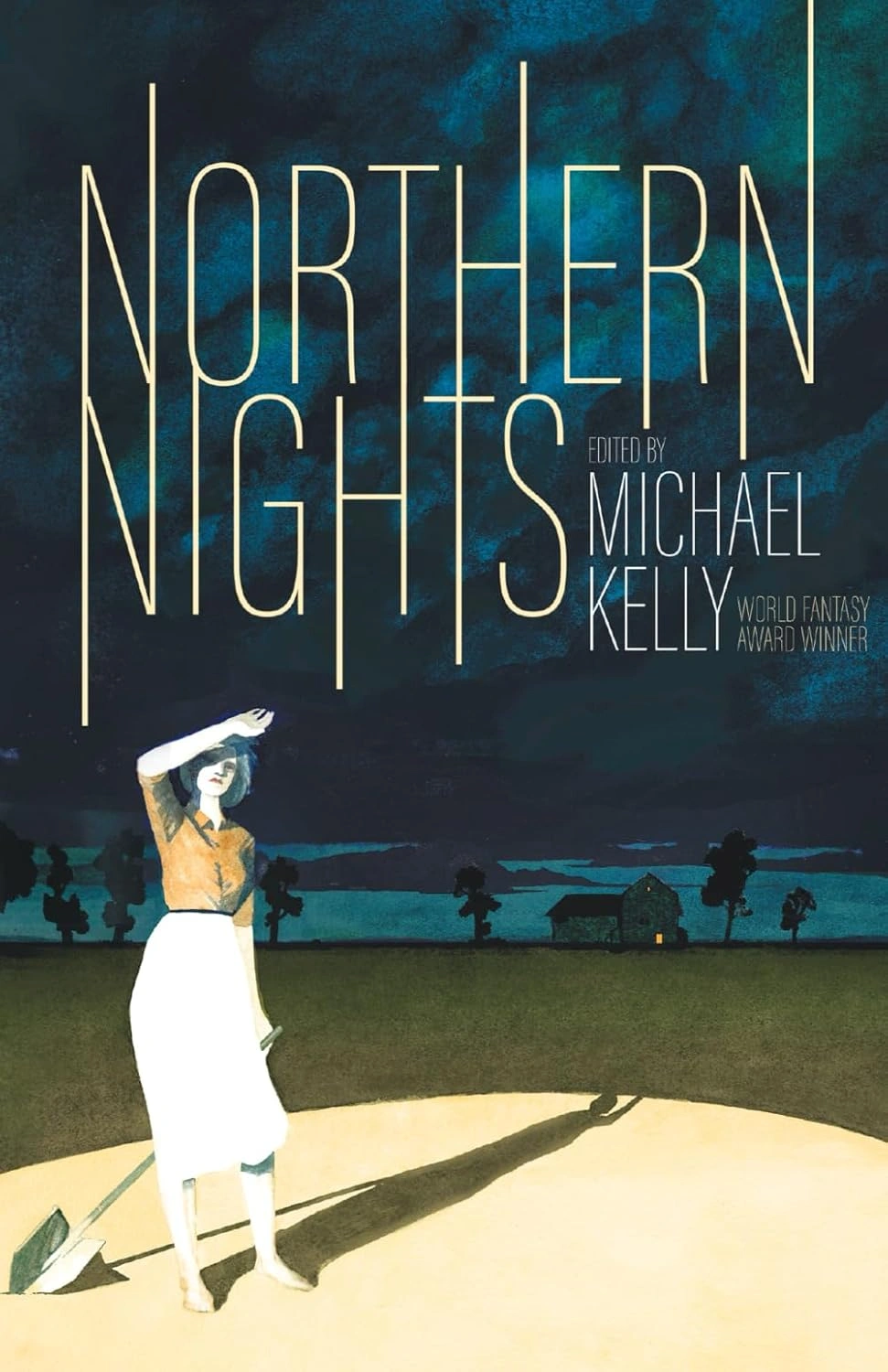
Northern Nights by Michael Kelly, editor
Canada supplies the common ground in Northern Nights, but the anthology’s horrors are too varied to be contained within one landscape or tradition.
Edited by Michael Kelly, the book gathers 20 original stories from Canadian speculative writers, including Silvia Moreno-Garcia, Premee Mohamed, Camilla Grudova, David Demchuk, Senaa Ahmad and A.C. Wise. Its contributors range across different settings and strains of horror, drawing strangeness from cities, isolated communities, memory, folklore and the natural world.
What emerges is not a single definition of Canadian horror but a sampling of how many forms it can take. Some stories trade in atmosphere and suggestion; others move toward the monstrous or openly terrifying. The regional focus gives the anthology an identity, while the variety of voices keeps that identity from hardening into a formula. There is something waiting in these northern nights, but it does not always come from the cold.
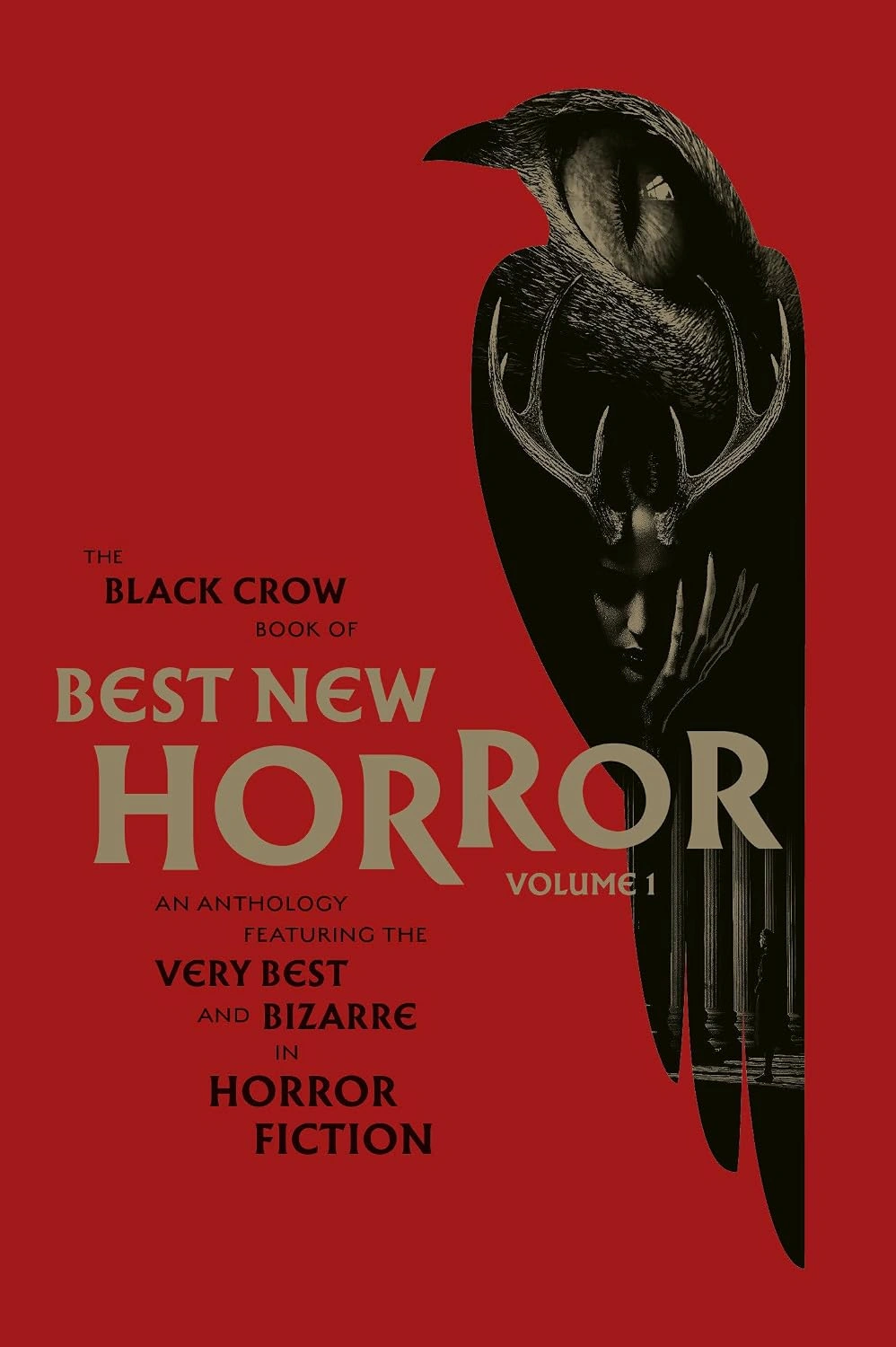
The Black Crow Book of Best New Horror, Volume 1 by Matt Holland and Jamie-Lee Nardone, editors
What happens when an ordinary desire leads somewhere it was never meant to go?
That question shadows the 13 original stories gathered in The Black Crow Book of Best New Horror, Volume 1. Contributors include Olivie Blake, Ramsey Campbell, Lisa Tuttle, Tim Lebbon, V. Castro, Adrian Tchaikovsky and Clay McLeod Chapman.
Their characters search for recognizable things—love, fame, money, revenge or simply a way forward—but every wish carries a possible cost. Encounters with the unknown in nature, warnings left unheeded, seemingly perfect matches and hidden horrors from the past all provide openings into darker territory.
Published in 2026, the anthology offers a timely sampling of contemporary horror. The stories vary in subject and style, but they share an interest in the dangerous distance between what people want and what awaits them when they reach for it.